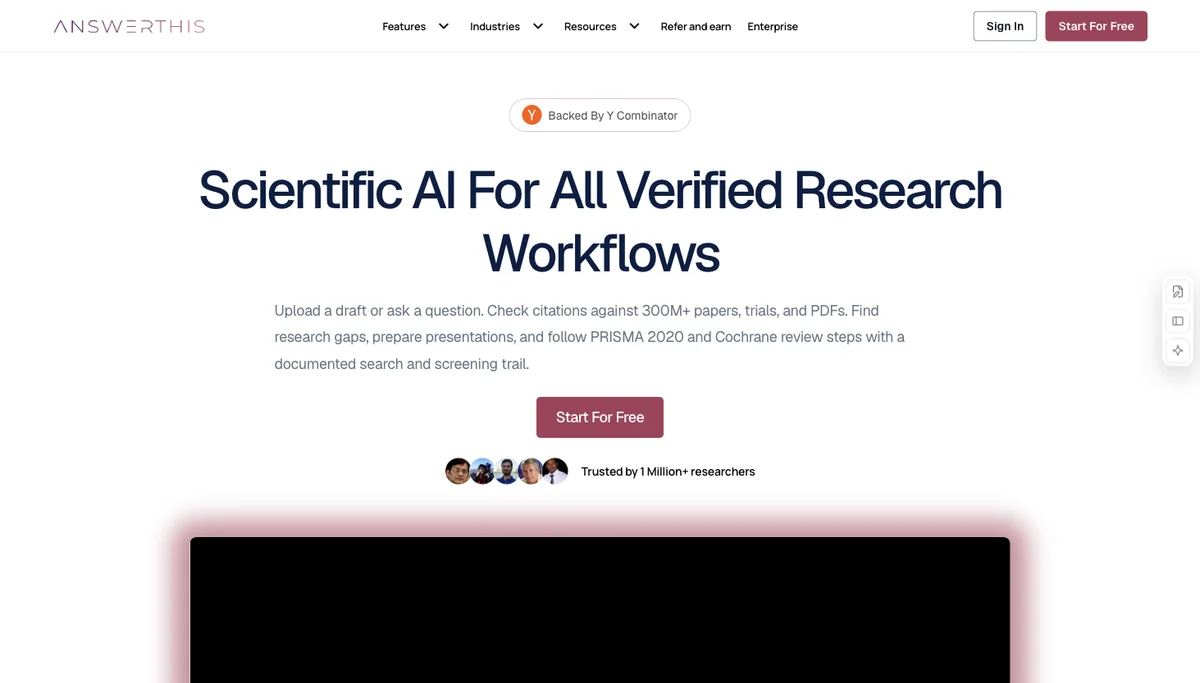

AnswerThis
AnswerThis suits a researcher choosing between ordinary cited questions, higher-tier queries and repeat systematic-review work.
Find, track and make sense of information.

Browse alphabetically. Open a product to see its sources and limits.
AnswerThis suits a researcher choosing between ordinary cited questions, higher-tier queries and repeat systematic-review work.
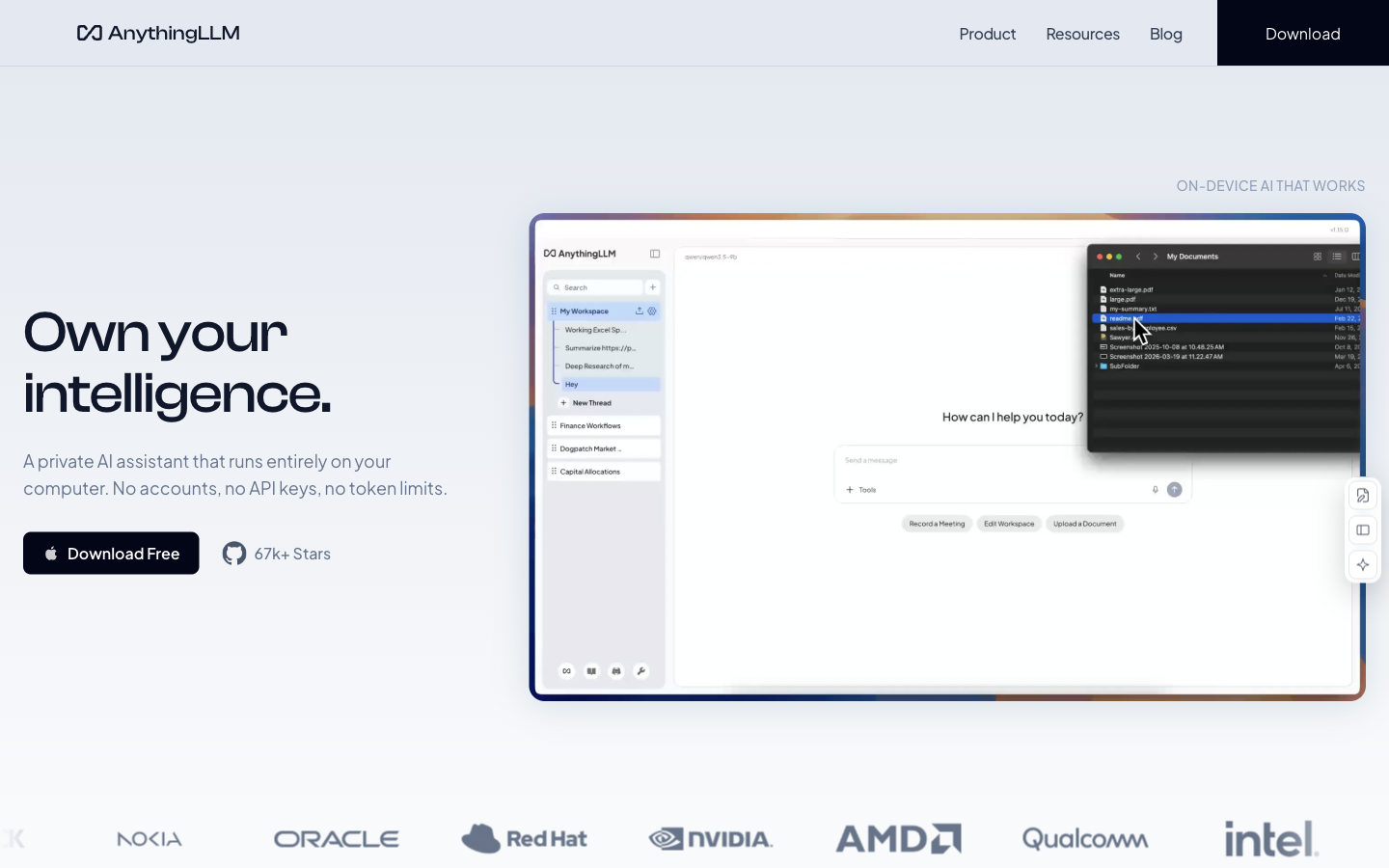

Chat with uploaded documents in workspaces using local or cloud models, with optional agents and retrieval.
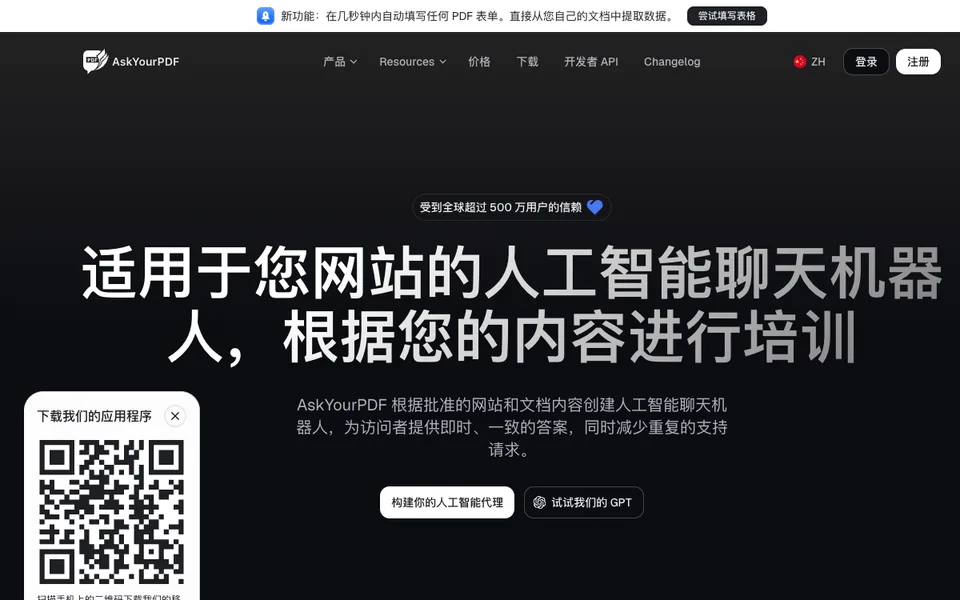

Document question answering, PDF form filling and website chatbots grounded in supplied content.
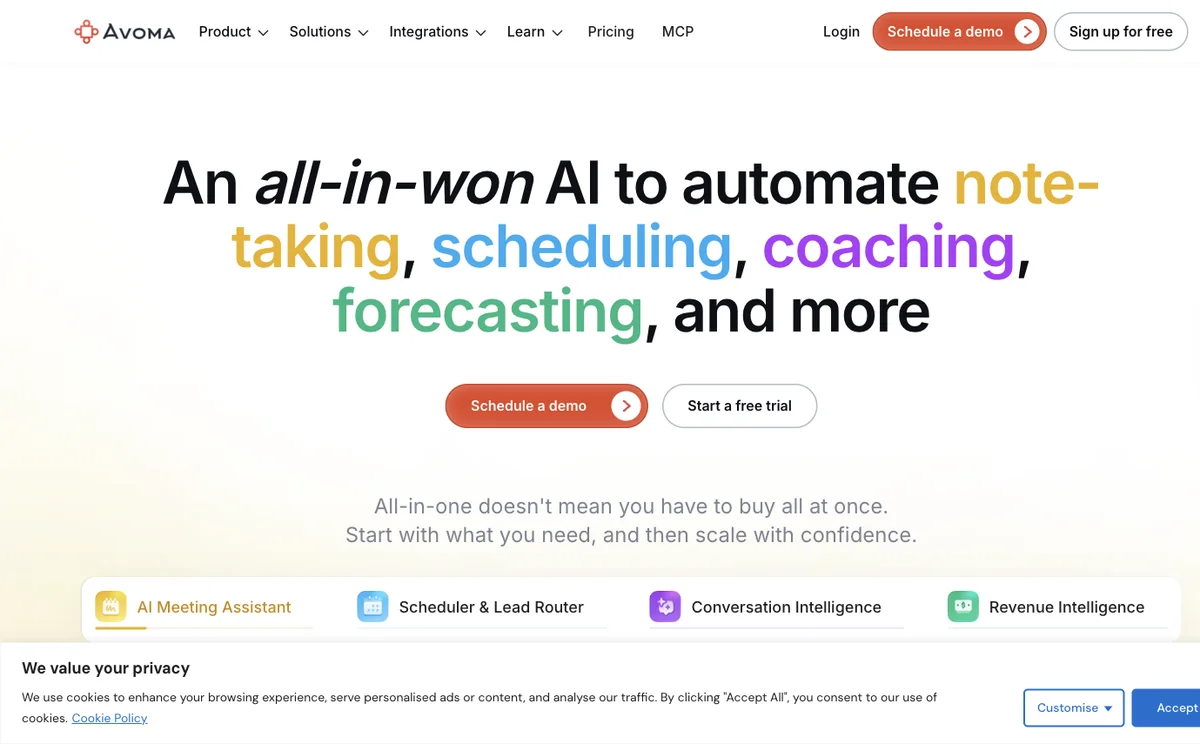

Count people who record separately from people who only read notes, then price sales-intelligence modules on top.
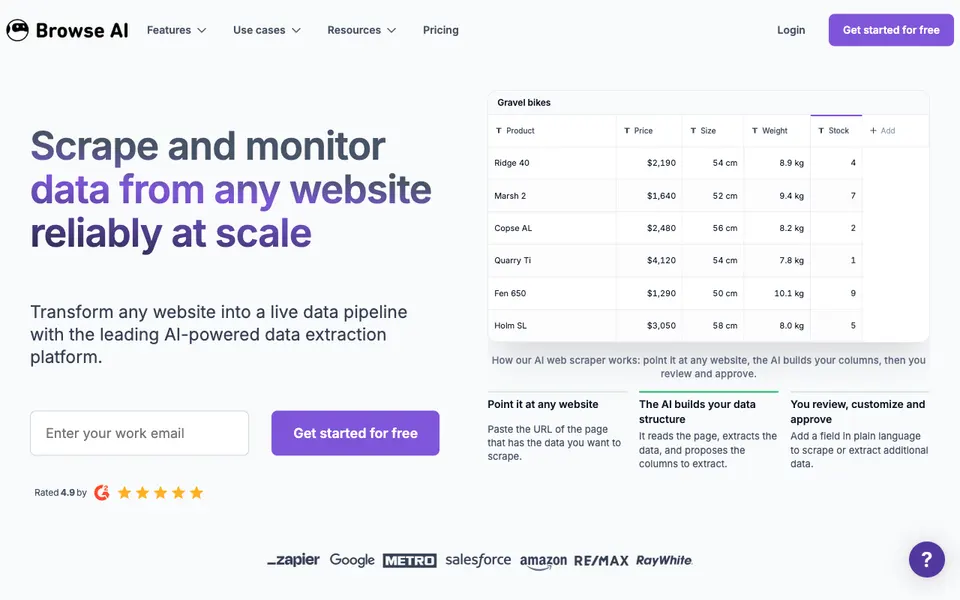

No-code AI web scraper and website change monitoring.

Choose Circleback by the record you must retain and the actions you want to automate after a meeting.

Use scholarly search to build a reading trail while budgeting deeper reviews separately from ordinary searches.
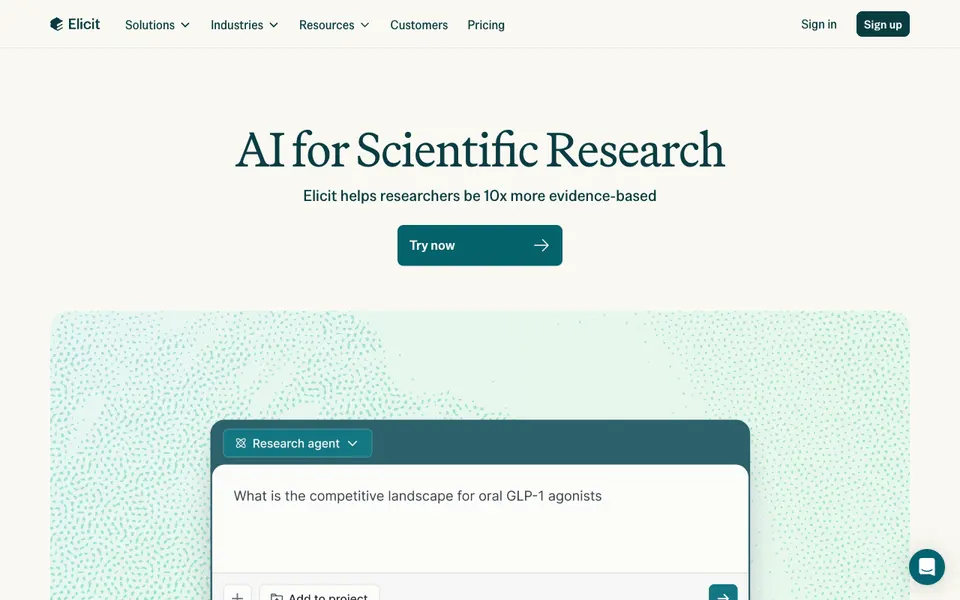

AI research agent and search over scientific literature.
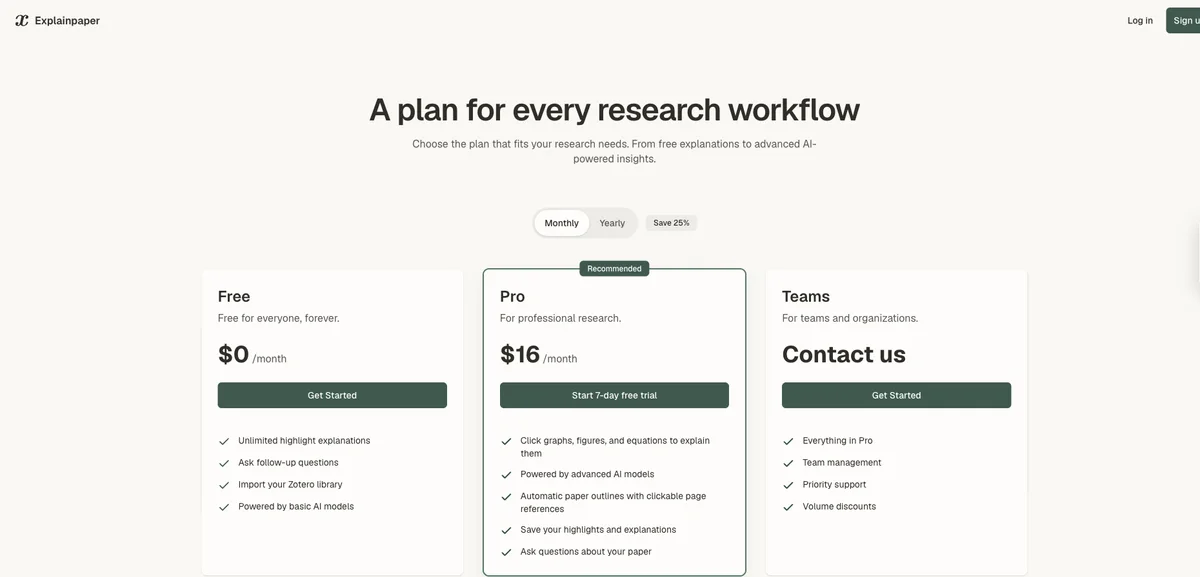

Explainpaper is a focused choice for readers blocked by a difficult passage, equation or figure and wanting an explanation alongside the paper.

Treat the free note allowance as a one-time evaluation and price recurring team meetings against the paid monthly quota.

Source-grounded notebook assistant for research and synthesis.
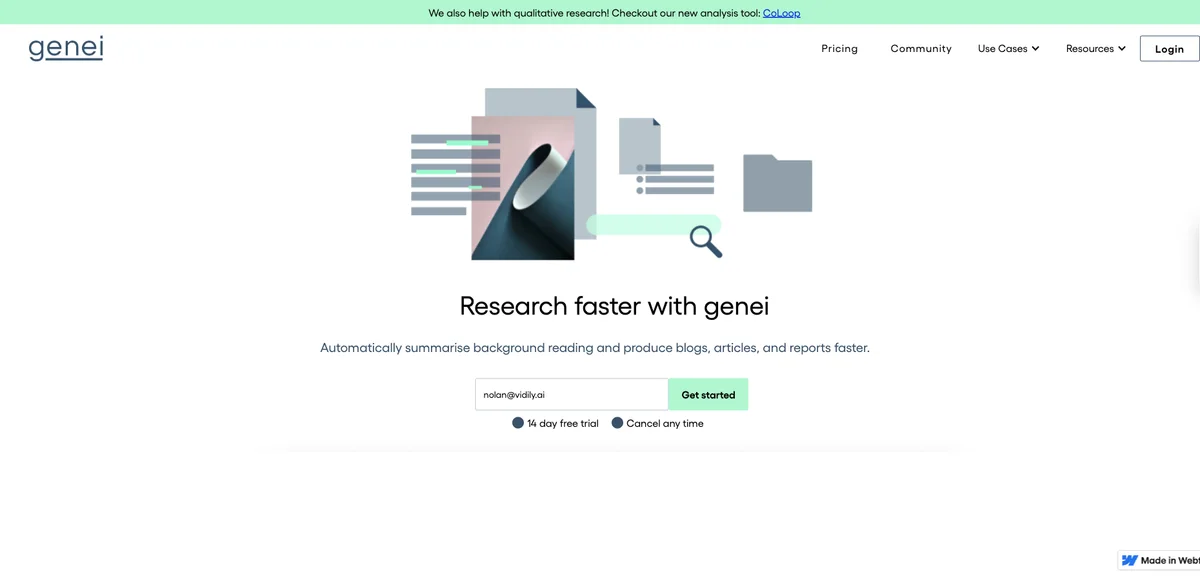

Genei suits readers who want article summaries, linked notes and reference management in a project rather than only an explanation of one highlighted passage.

Gemini's agentic feature that builds a research plan and writes a cited report.

Plan research questions, gather web or local-document evidence and draft a sourced report.
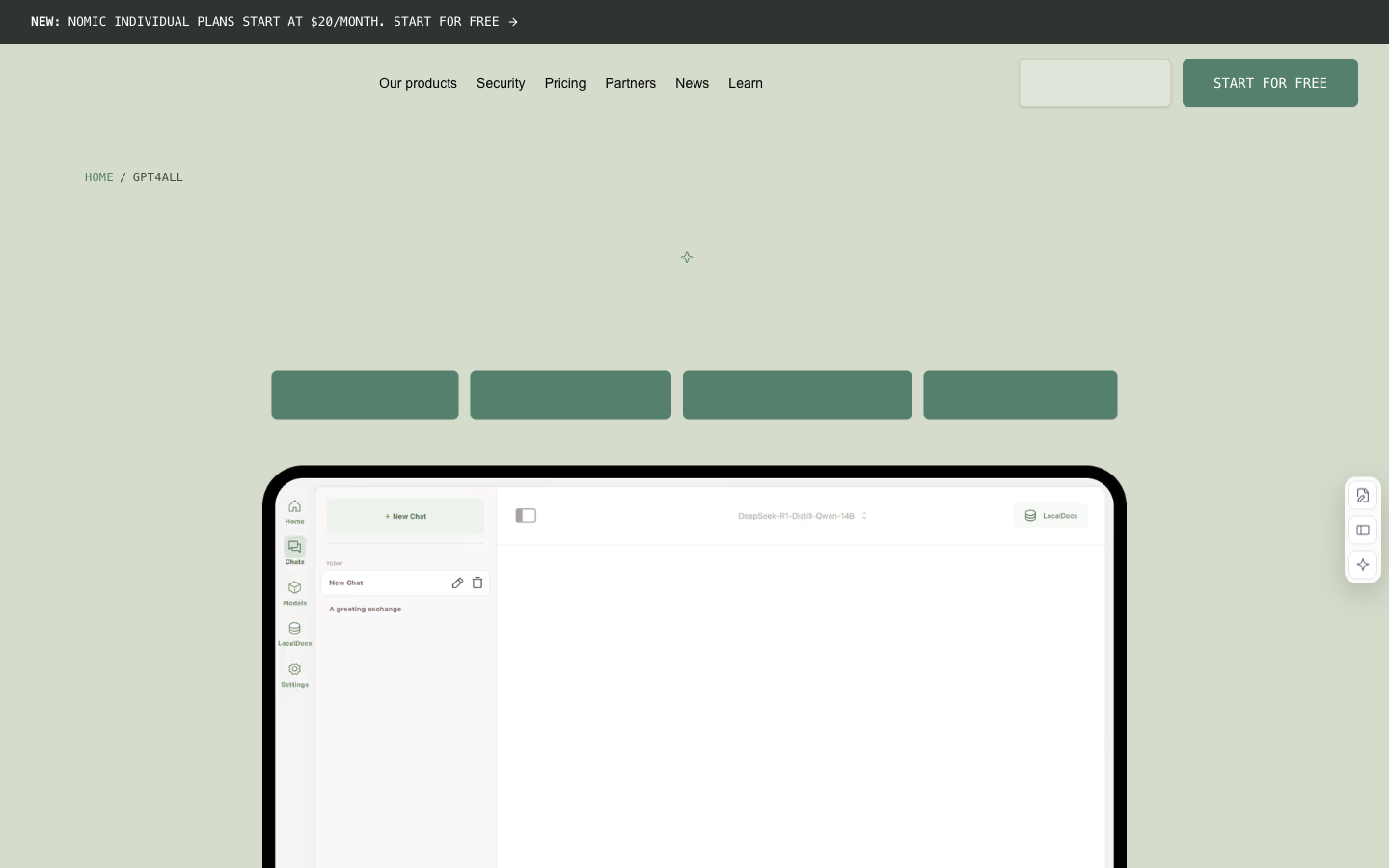

Run language models on a desktop and use LocalDocs for document questions without requiring a cloud API.
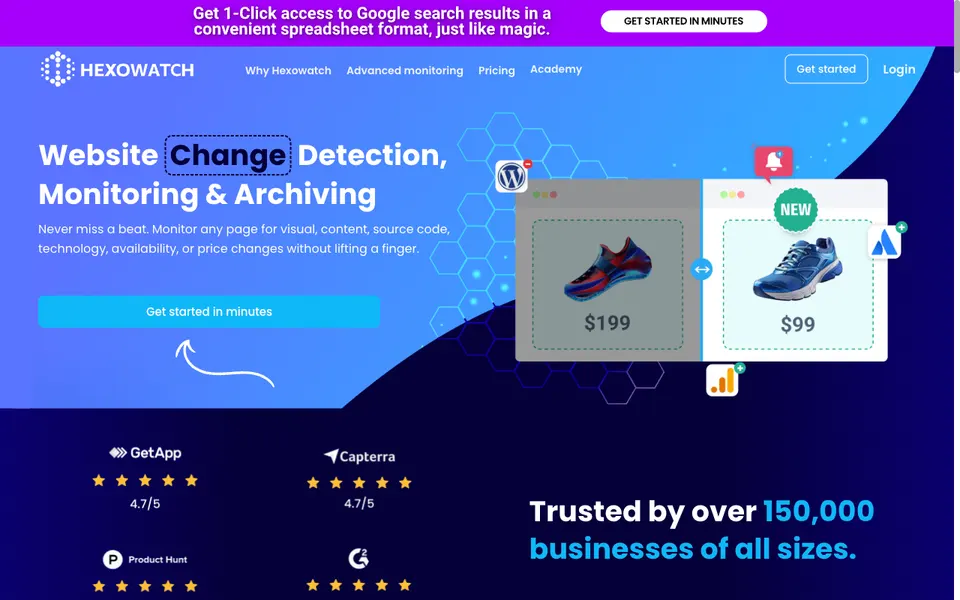

Website change detection, monitoring, and archiving across many signal types.
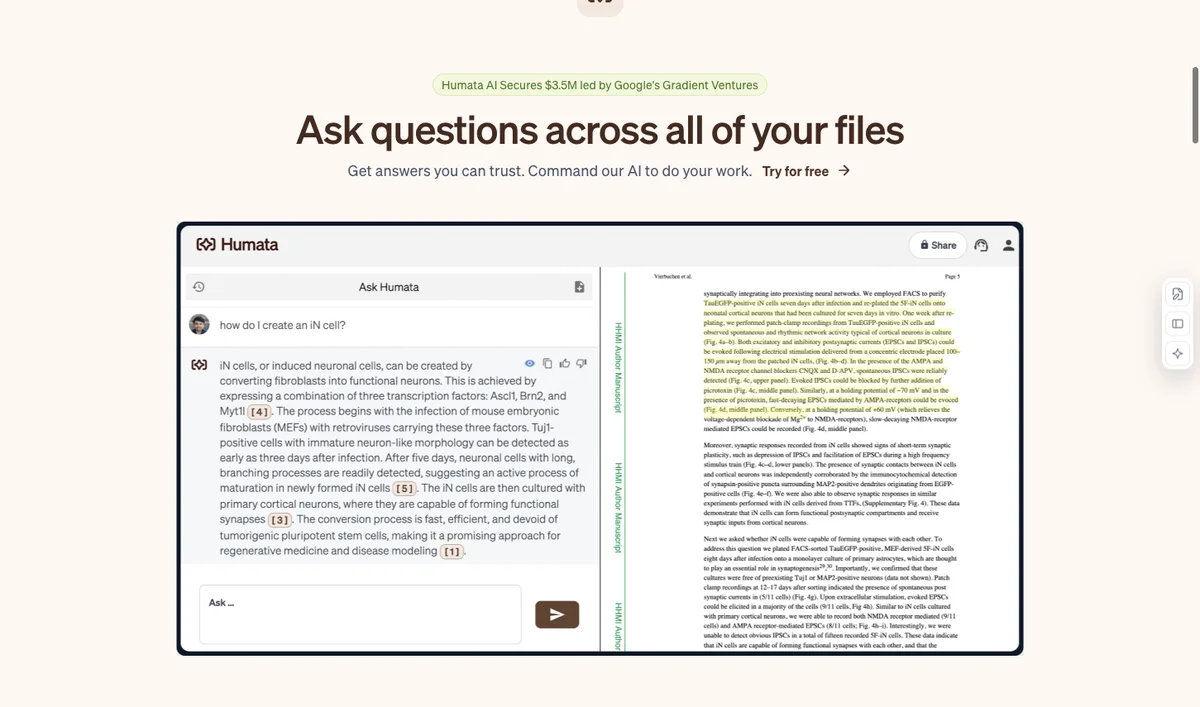

Check whether the source is scanned before choosing Humata’s cheaper document-question plan.
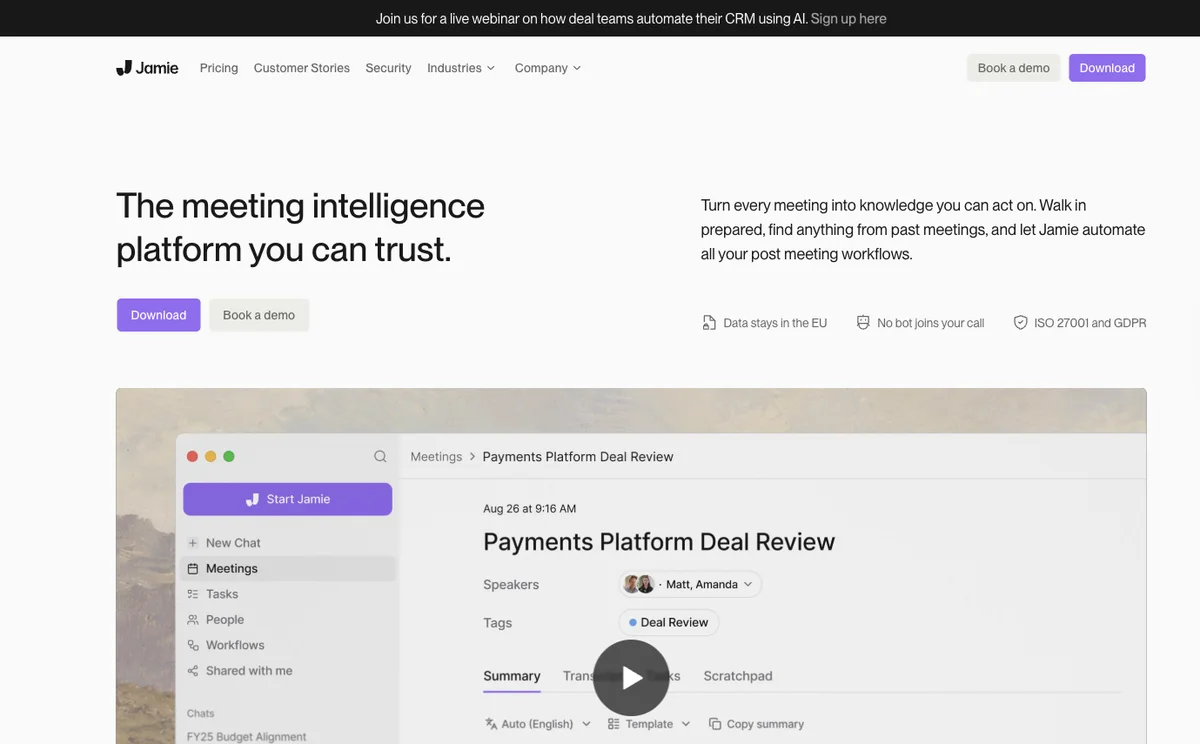

Choose a note allowance and meeting-duration limit together before adding workflow integrations.
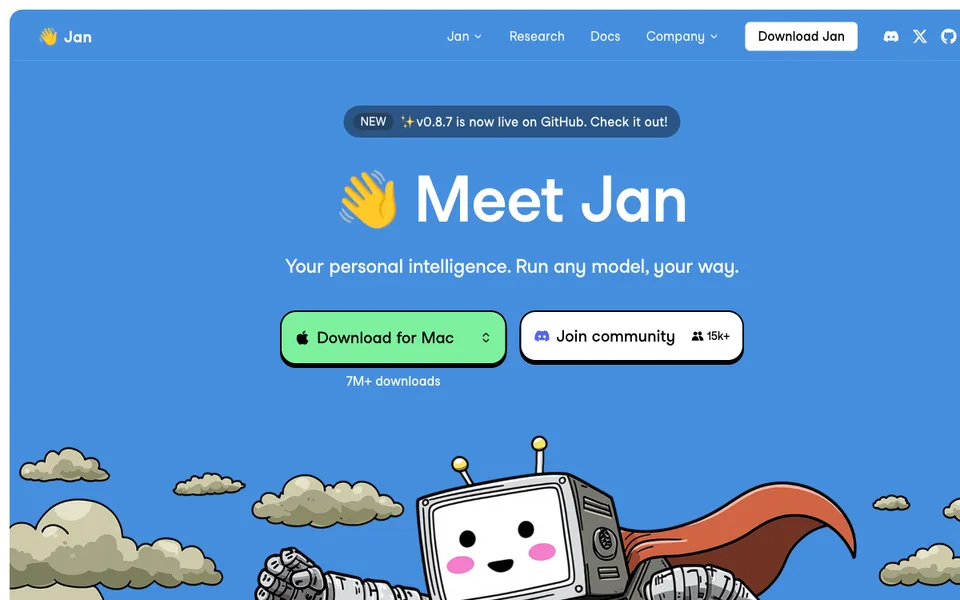

Run downloaded language models in a desktop assistant, or connect cloud providers and a local compatible API.
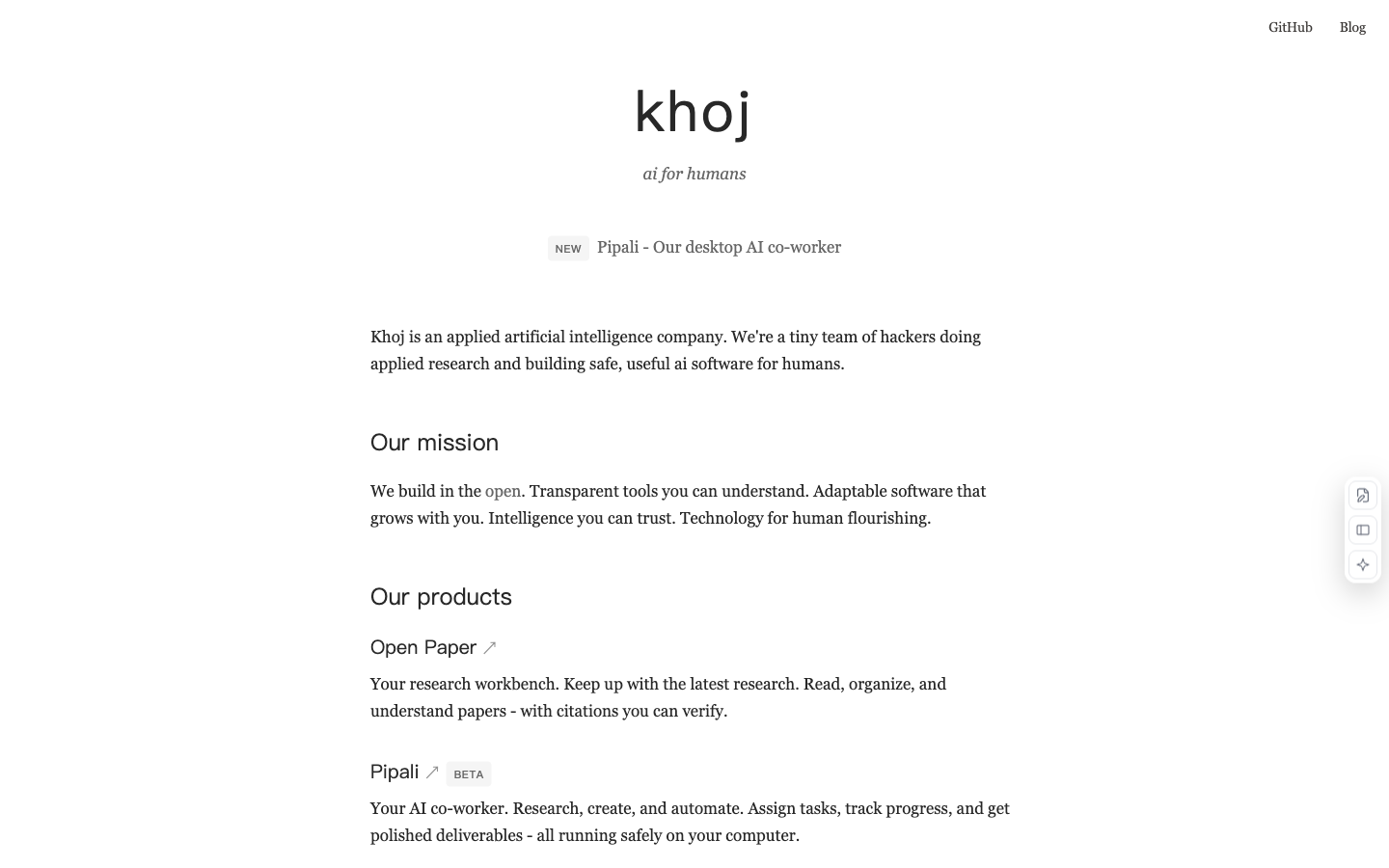

Search personal documents and the web, chat with models, and configure recurring research assistants.
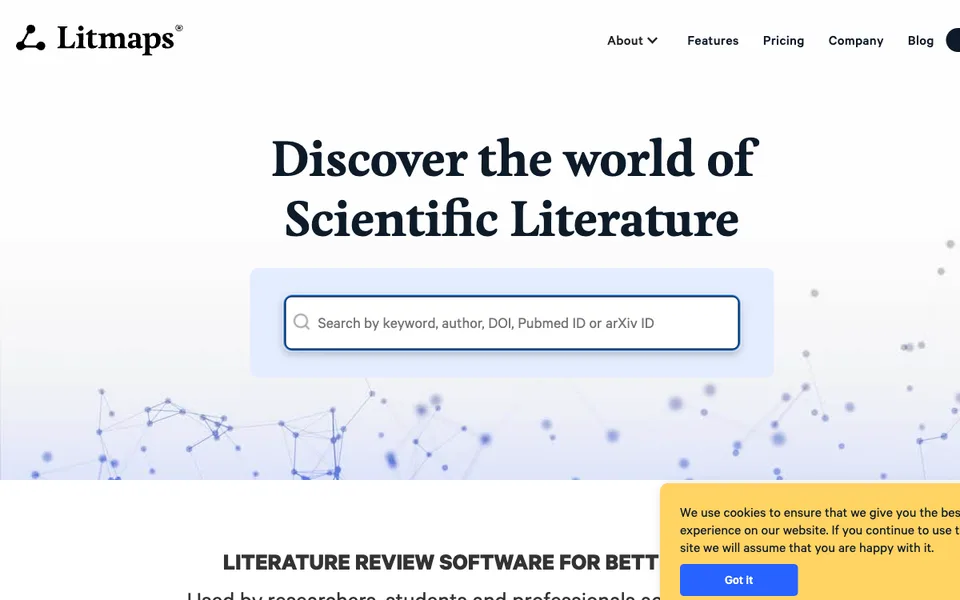

Discover related papers while distinguishing citation-neighbor results from AI semantic similarity.
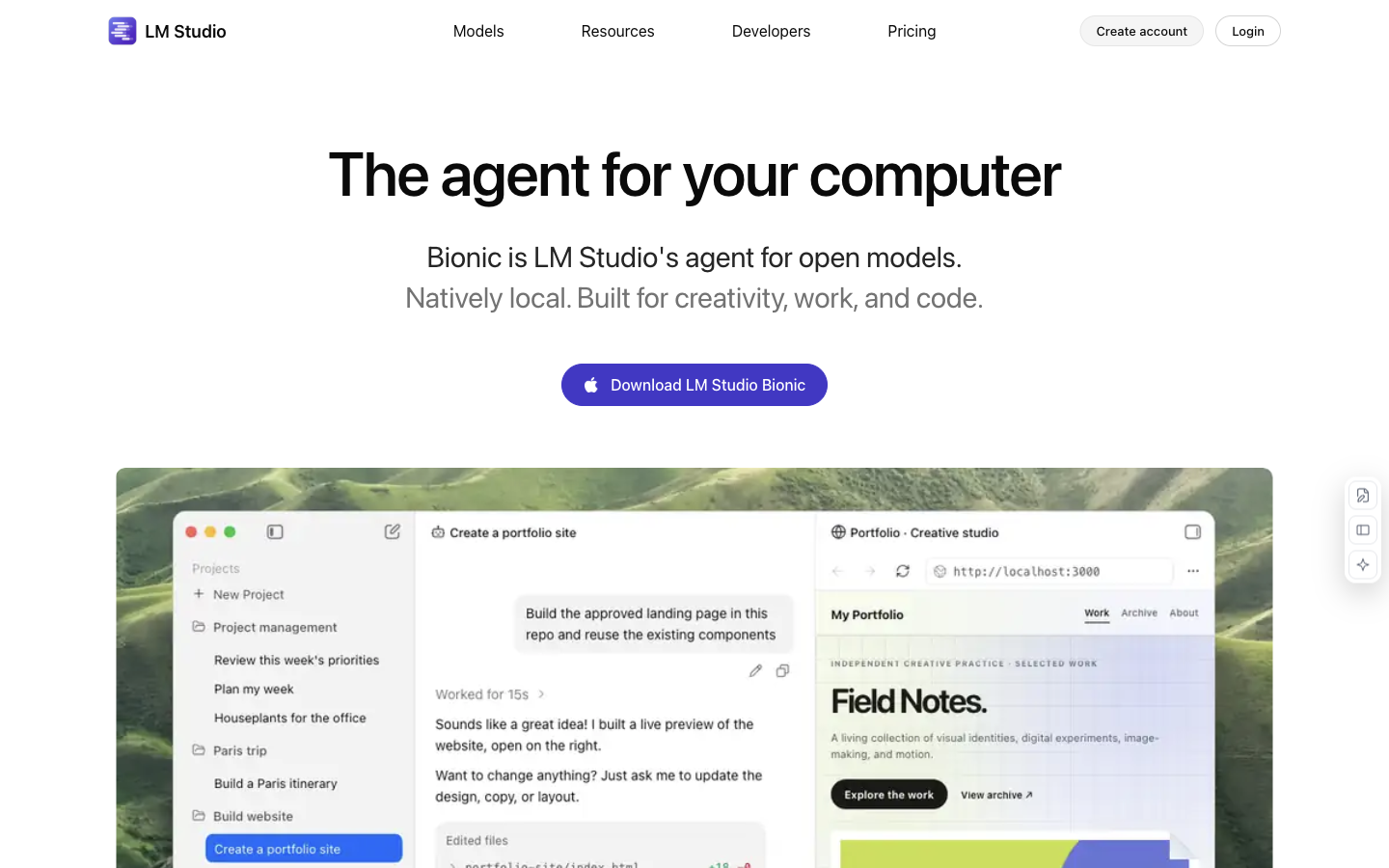

Run downloaded language models and document chats locally. Optional Bionic cloud inference has its own plans and usage credits.
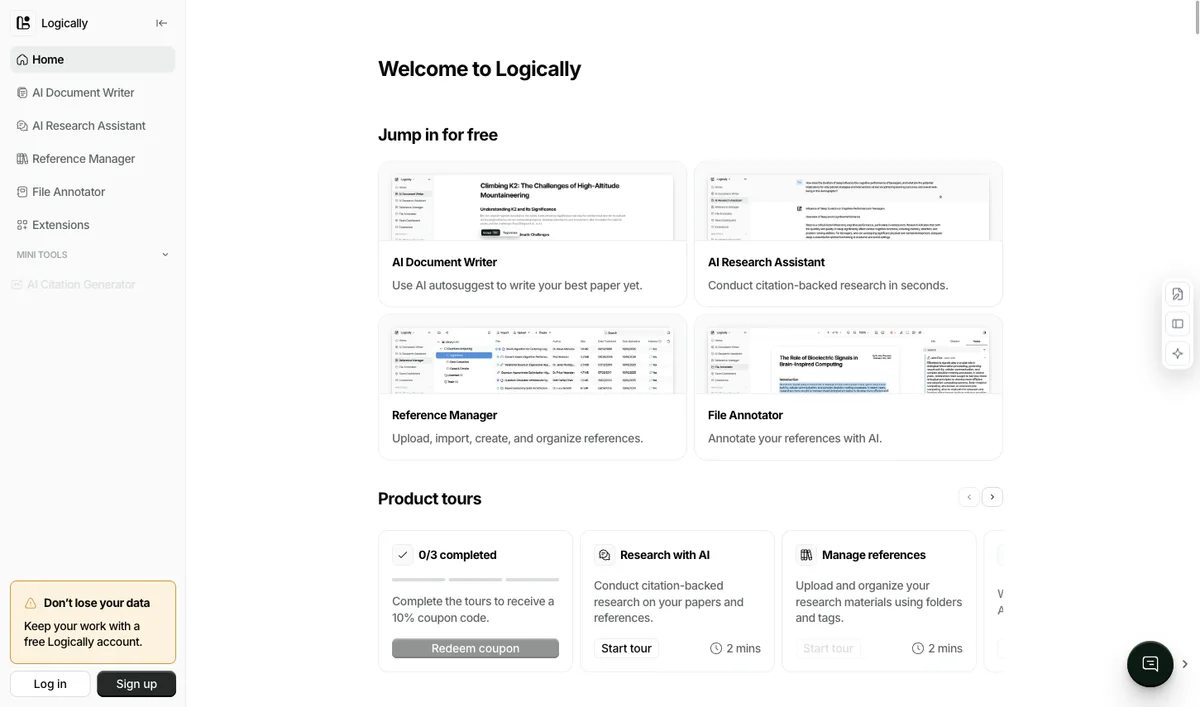

Logically, reached from the former Afforai pricing route, combines a reference library with AI-assisted document writing and annotation.
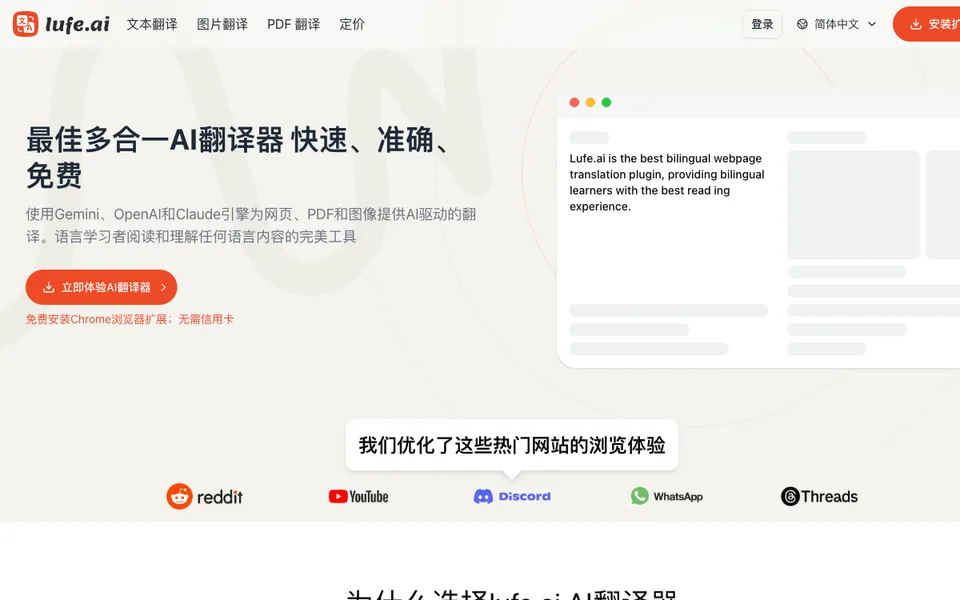

A browser translation extension for bilingual webpages, selected text, PDFs and images.
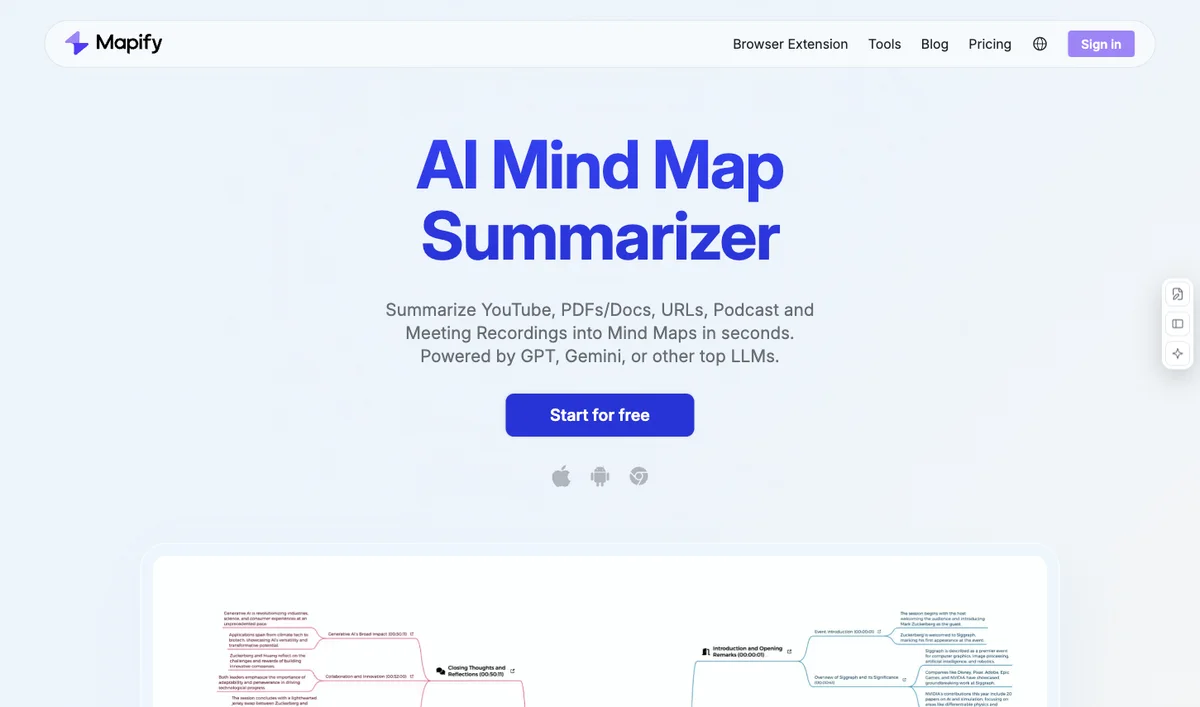

Use Mapify when the deliverable is a navigable map of source material rather than an unstructured chat answer.
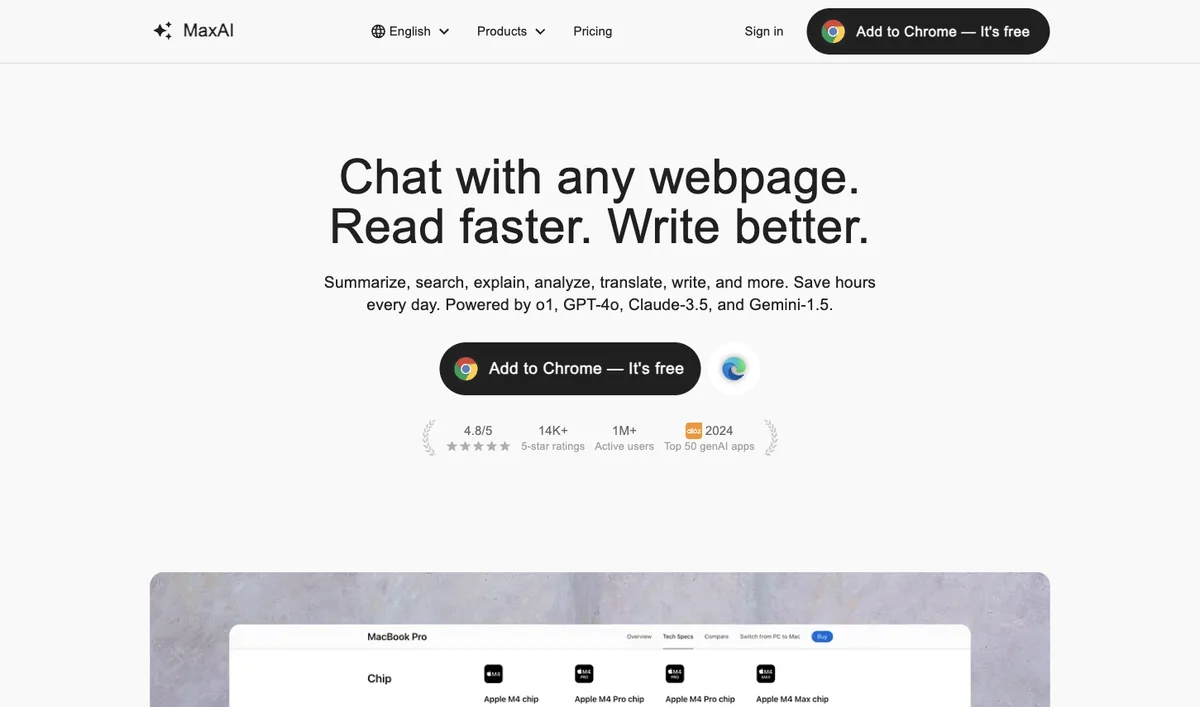

Choose MaxAI for work beside an open page, after checking the response class your task consumes.
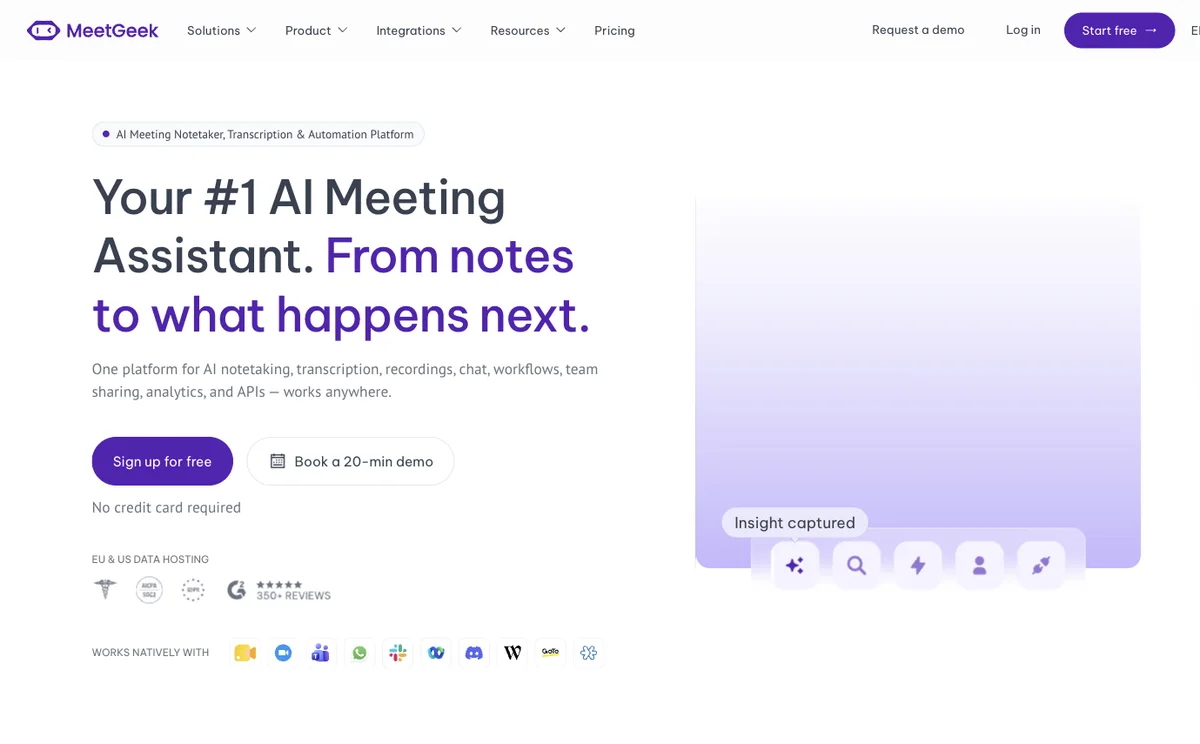

Compare transcript, audio and video retention separately before relying on a meeting archive.
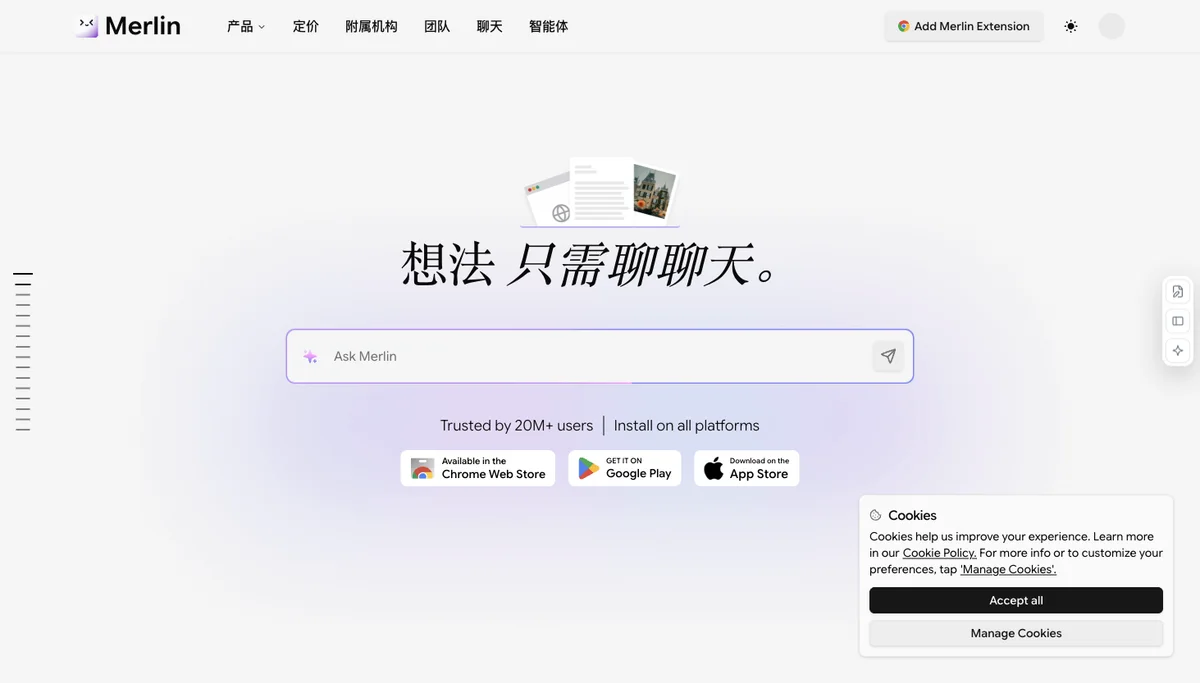

Use Merlin Teams only after pricing its five-seat minimum, not by comparing one discounted seat with personal Pro.

Turn course material into notes, summaries, flashcards, quizzes and a contextual AI tutor.

Select Monica by advanced-credit needs, because its unlimited-chat tier does not include an agent-credit allocation.

Choose Msty Studio when reusable knowledge and model choice need a dedicated workspace with optional local execution.

Select MyMap by the cost of the intended model and context, rather than assuming 1,000 credits mean 1,000 complete diagrams.
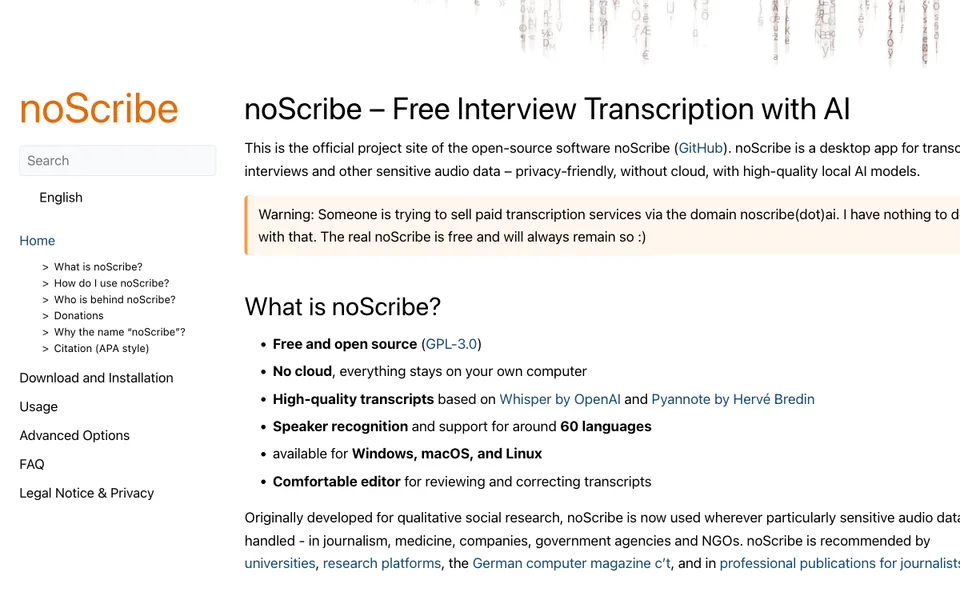

Create and correct local interview transcripts with speaker distinction for qualitative research.
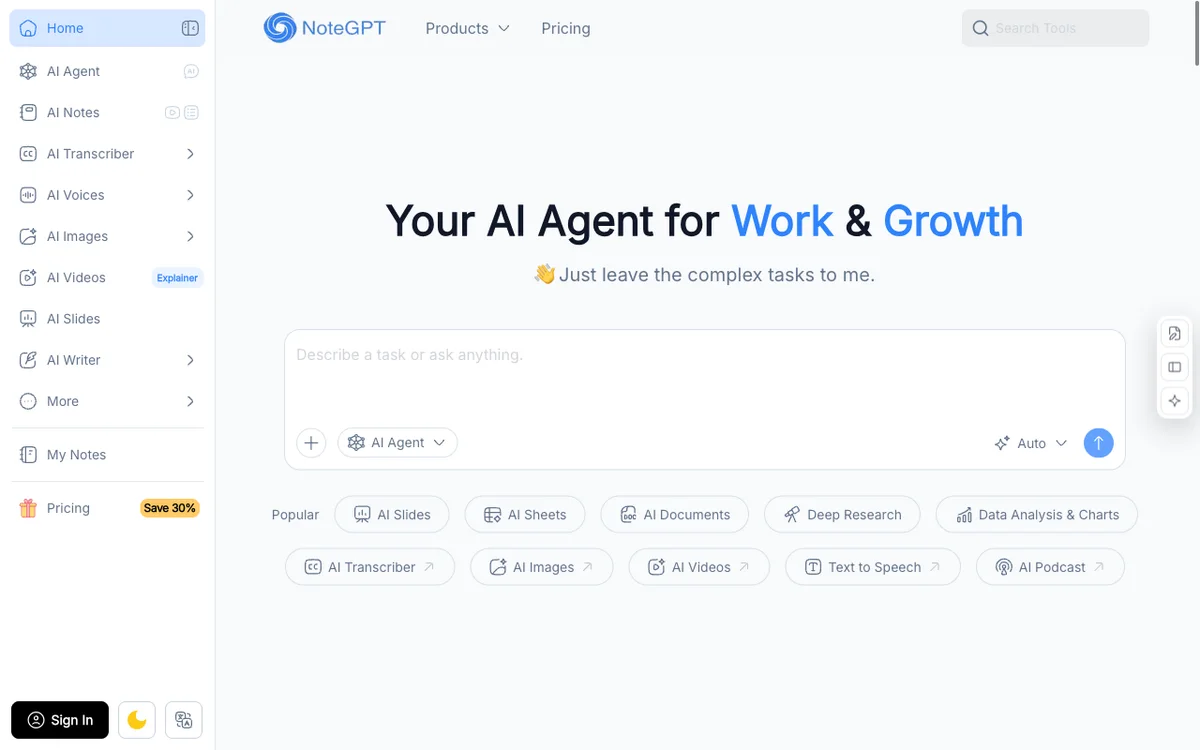

NoteGPT turns videos, recordings and documents into summaries, notes and study materials.
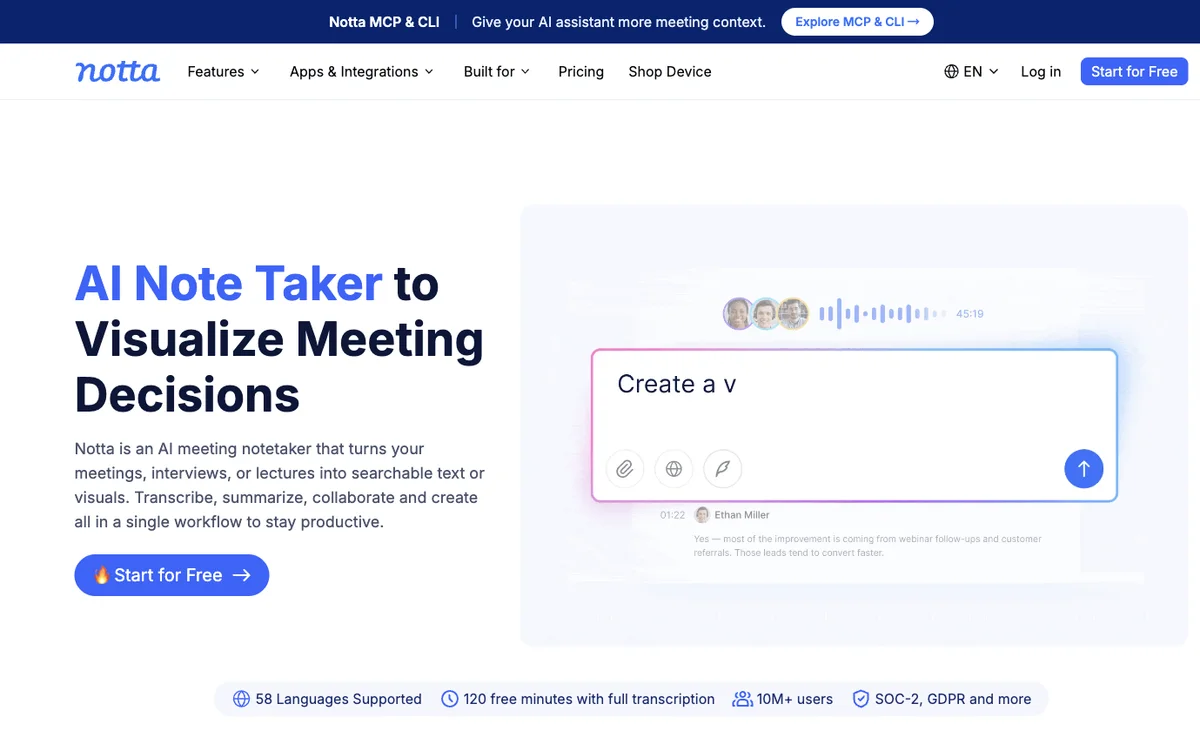

Check the single-conversation cap before assuming that a free monthly minute pool can transcribe a full meeting.
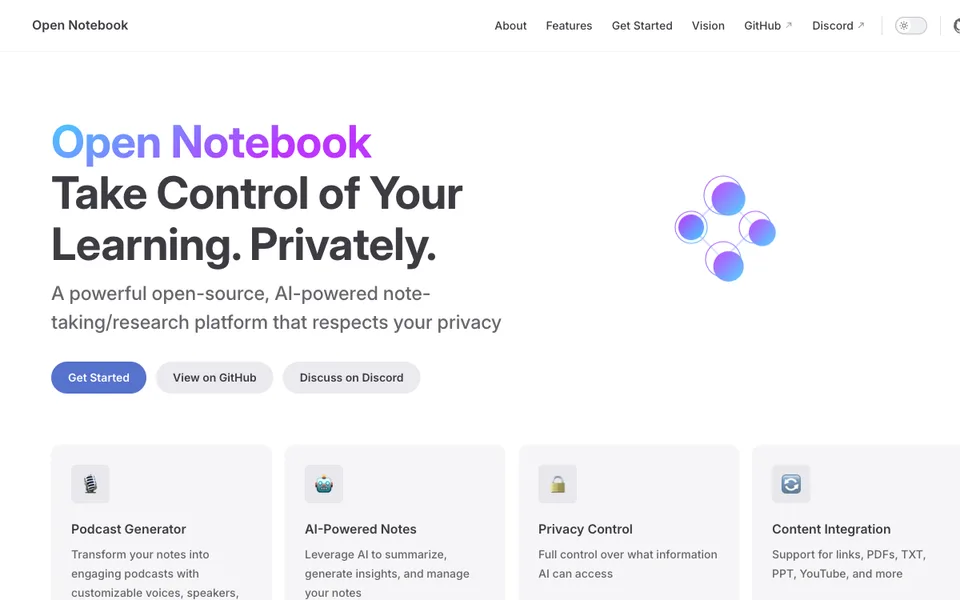

Organize source material for contextual chat, search and podcast drafting.


Agentic multi-step web research in ChatGPT that returns a cited report.
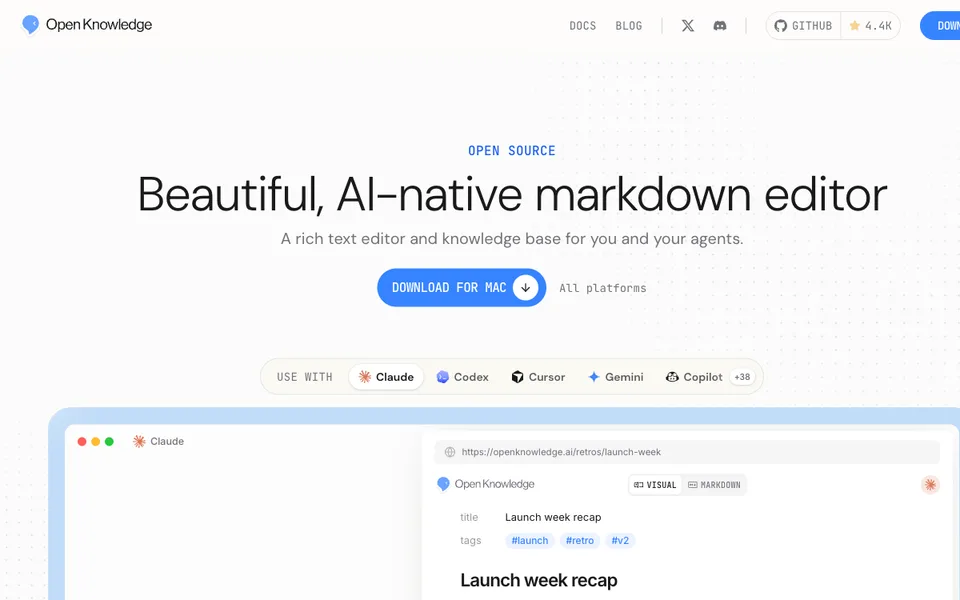

Edit Markdown knowledge bases alongside existing AI coding agents.
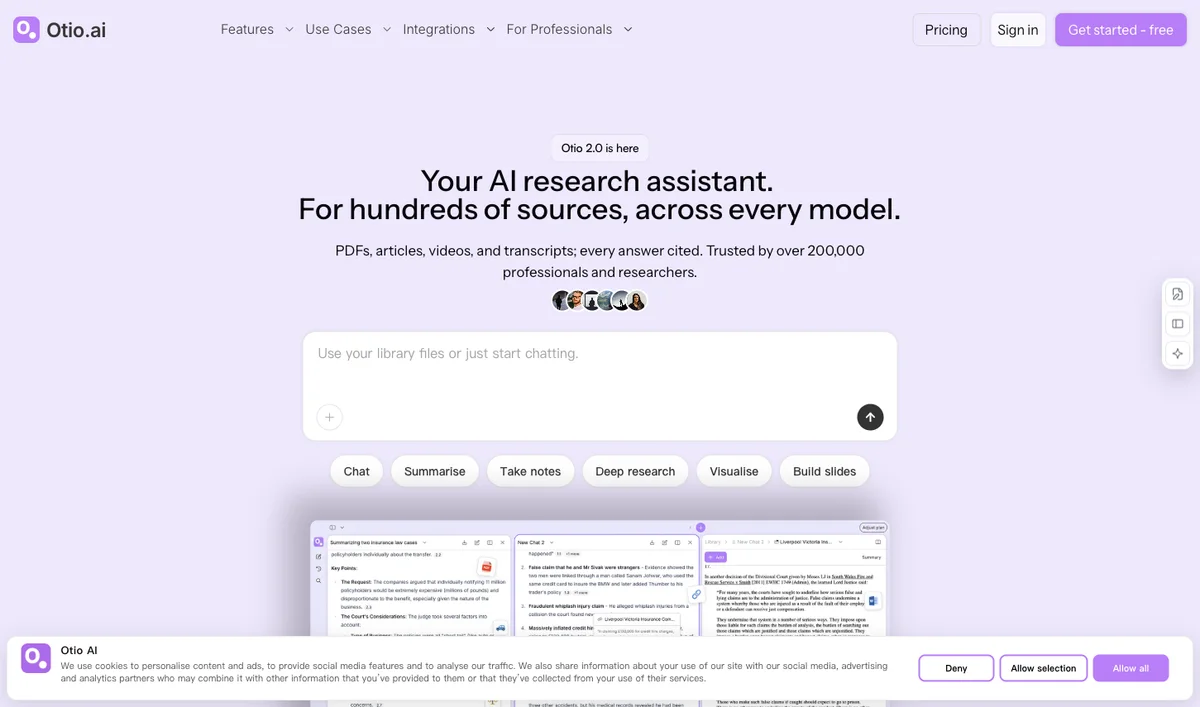

Choose Otio by source size and parallel research needs, after reconciling its unlimited-upload headline with its plan limits.
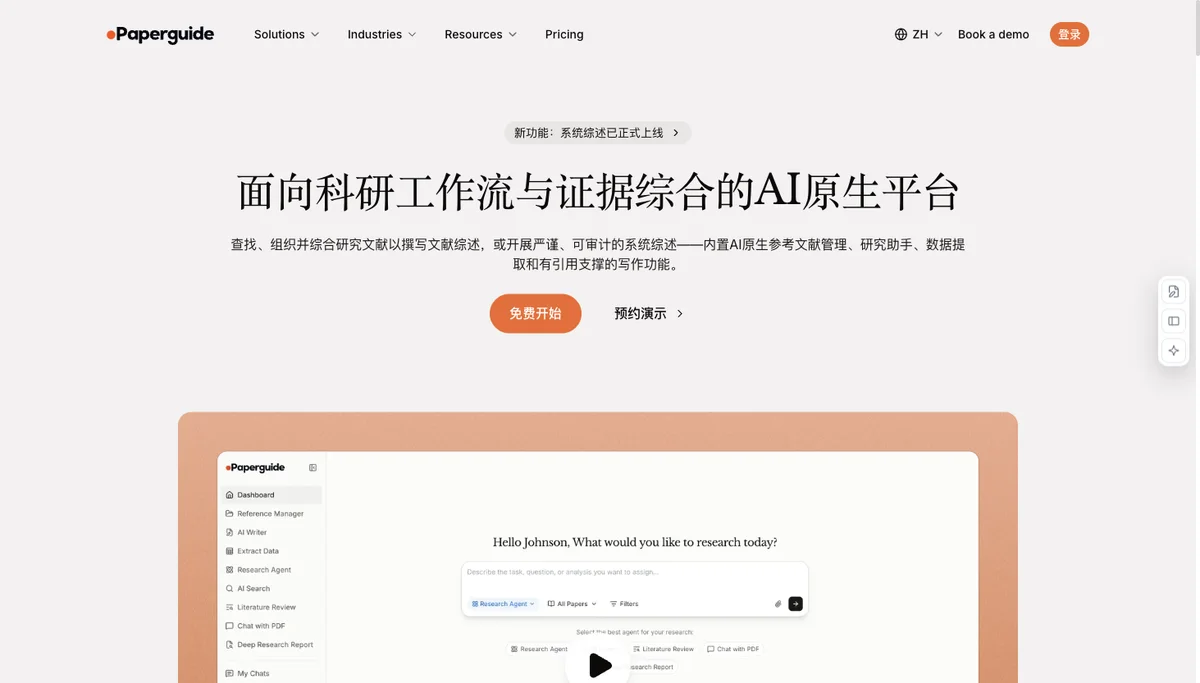

Paperguide is useful when a team needs to budget both AI usage and how many papers fit into a systematic review or extraction table.
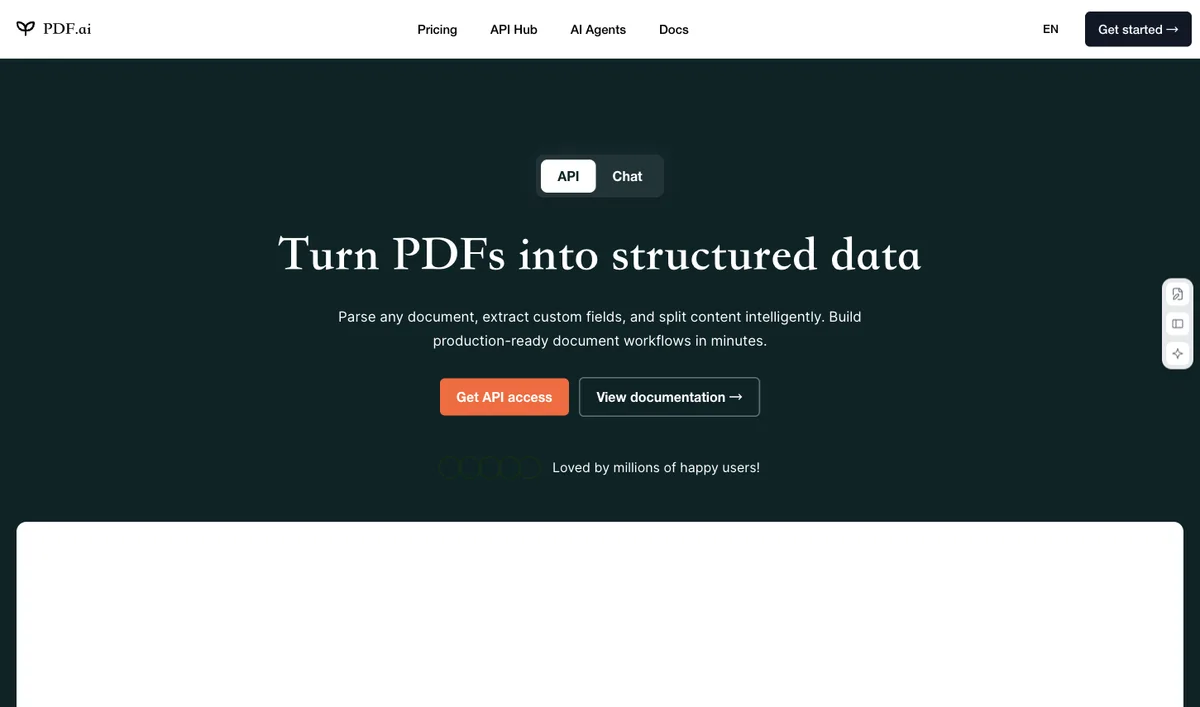

Compare OCR pages per file as well as upload counts when choosing a PDF.ai plan.

Edit and question PDFs while making a separate decision about sending document content to cloud AI.

Research a question and follow the links behind the answer.
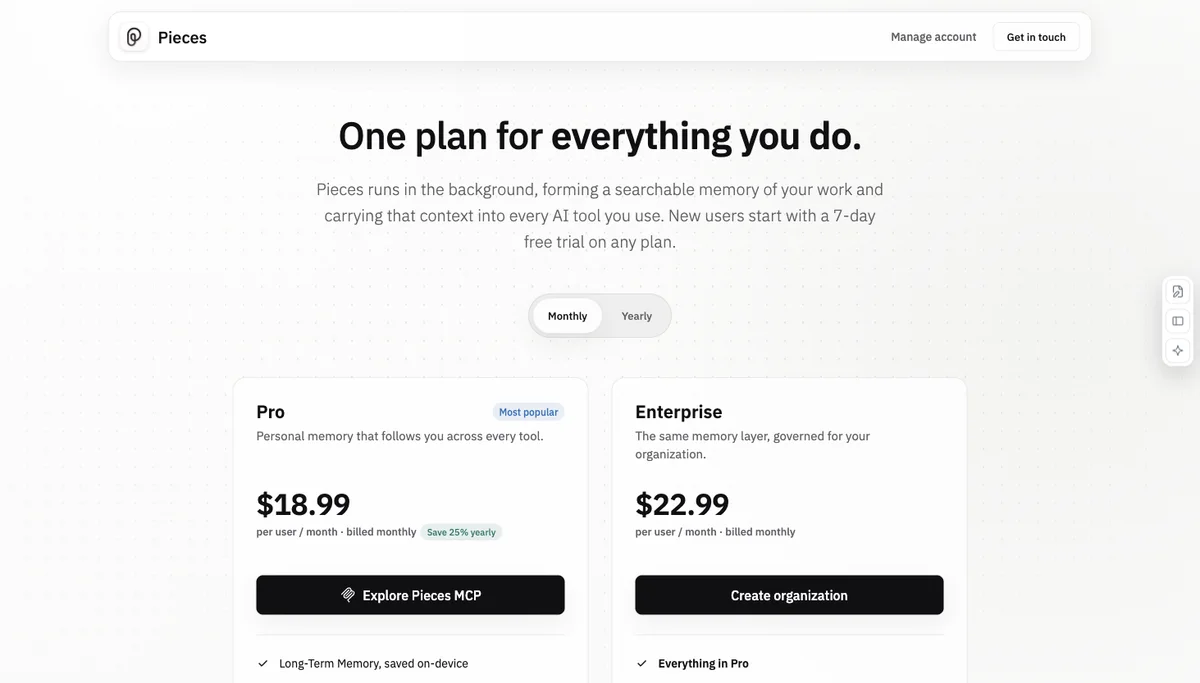

Choose Pieces for recalling work context across tools, and review capture controls before collecting a broad timeline.
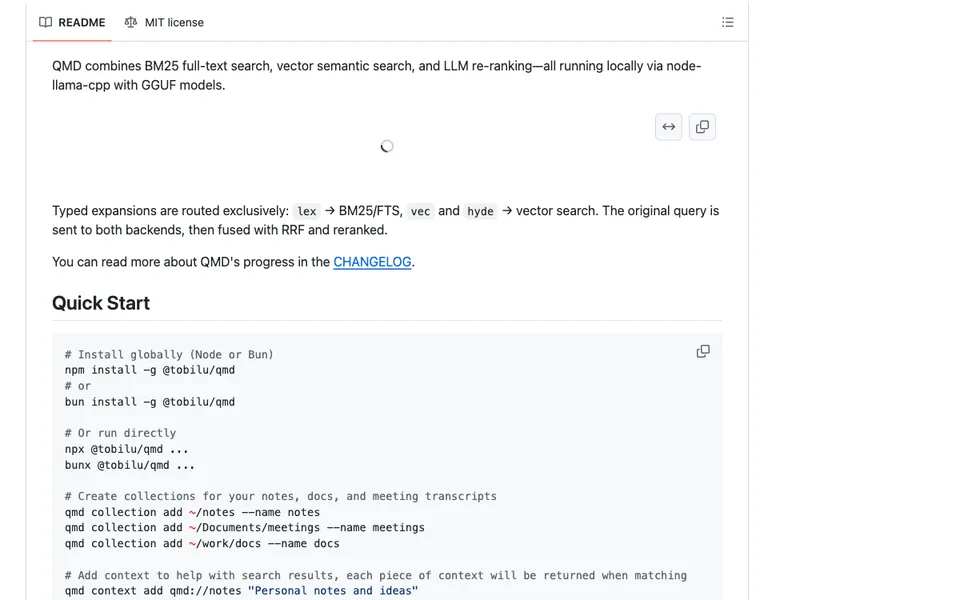

Search local Markdown with keywords, embeddings and model reranking.

Ingest documents, inspect chunks and build retrieval-based answers with traceable source references.

Check playback access and mandatory workspace licences before selecting a meeting-summary subscription.

ResearchPal is useful when paper discovery, document questions and a literature-review draft need to remain in one project.

Expand a known paper collection into a citation map and choose seed limits for the review size.

Evaluate Resemble AI as a detection and verification platform using its current offer, rather than assuming older voice-generation pricing applies.

Convert research papers and long documents into structured summary flashcards.

A study workspace connecting notes, flashcards, mind maps and review activities.

Choose a research workspace by credit needs and parallel-agent capacity, then validate every cited study before using its synthesis.

Use SciSummary to triage scientific papers with cited summaries, figure questions and a research library, while checking the original evidence yourself.
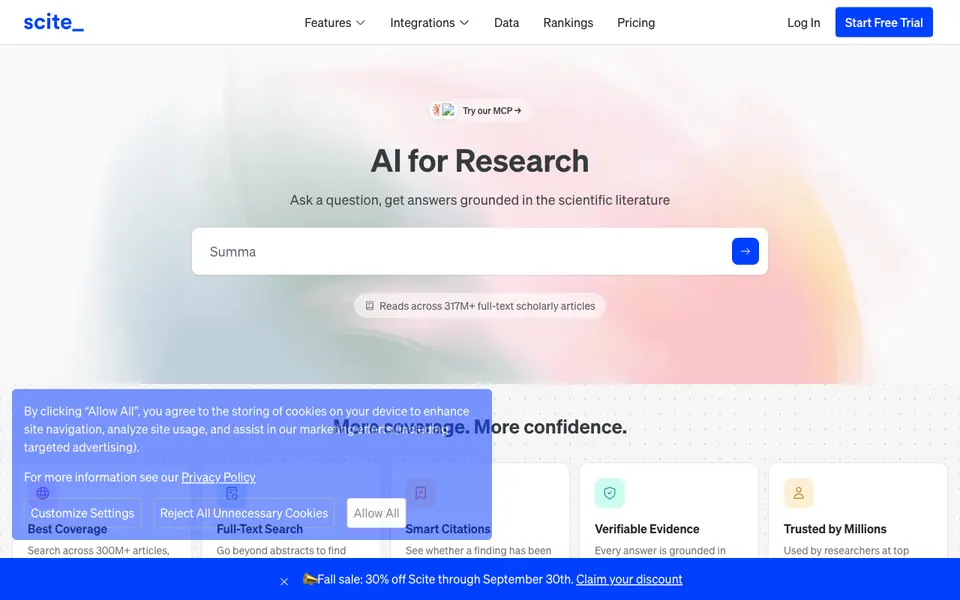

AI research assistant grounded in scientific literature and citation context.
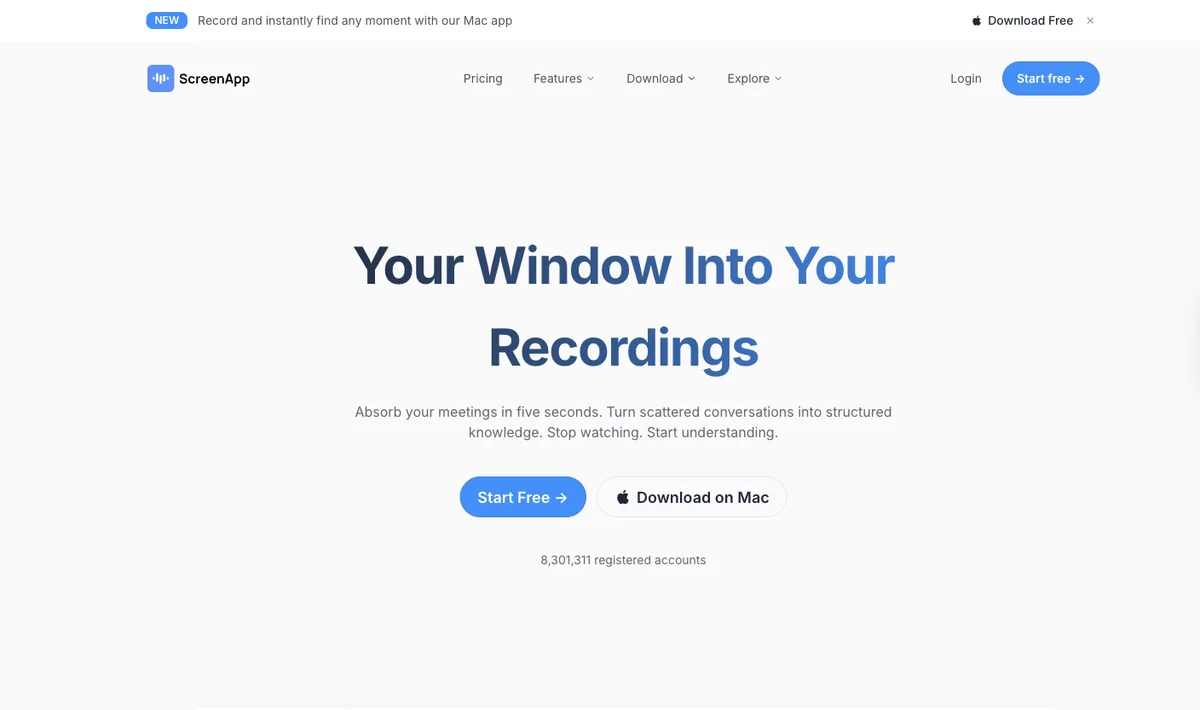

Choose ScreenApp when the deliverable is a checked summary, answer or document derived from an existing recording.

Find papers with machine-assisted summaries and build research feeds around a curated library.
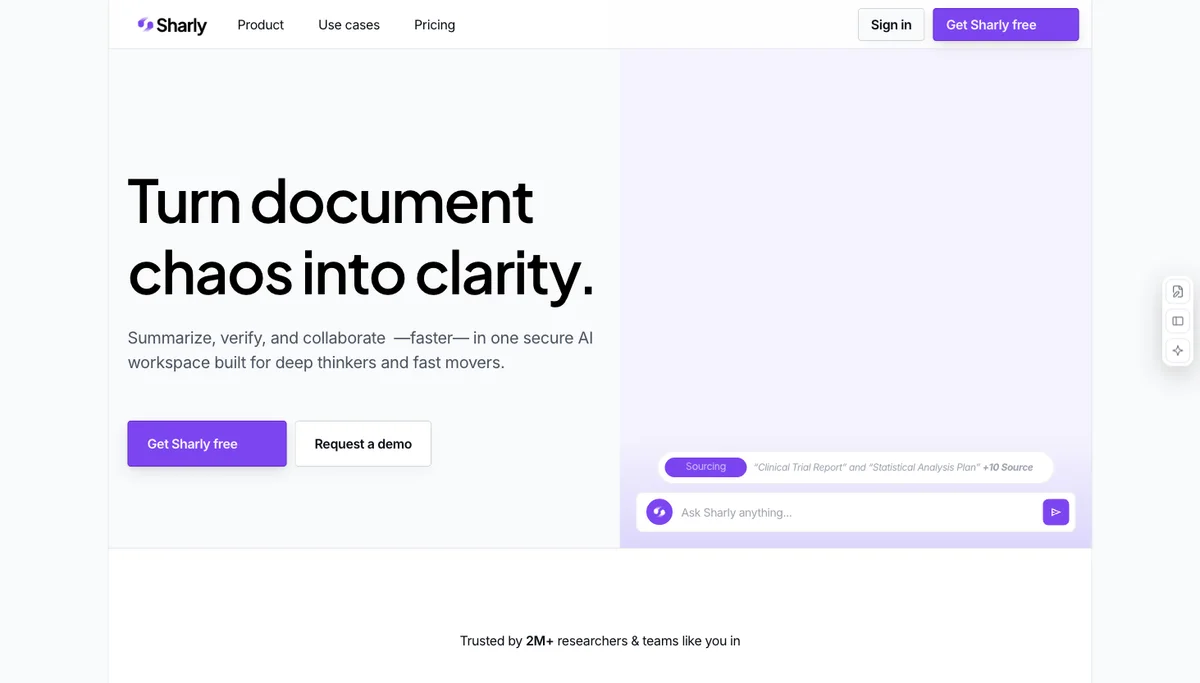

Sharly suits readers comparing claims across uploaded documents who can work with a defined message quota and verify citations themselves.
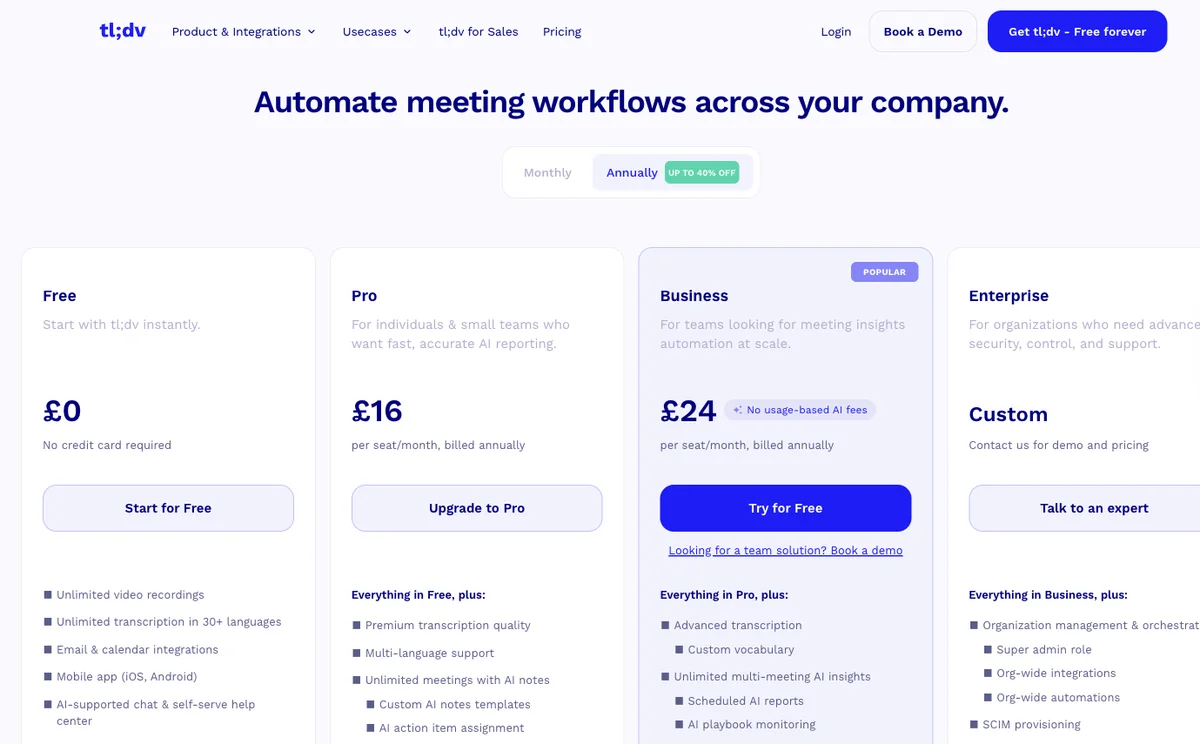

Distinguish unlimited transcription from unlimited AI analysis when choosing a meeting-recording plan.
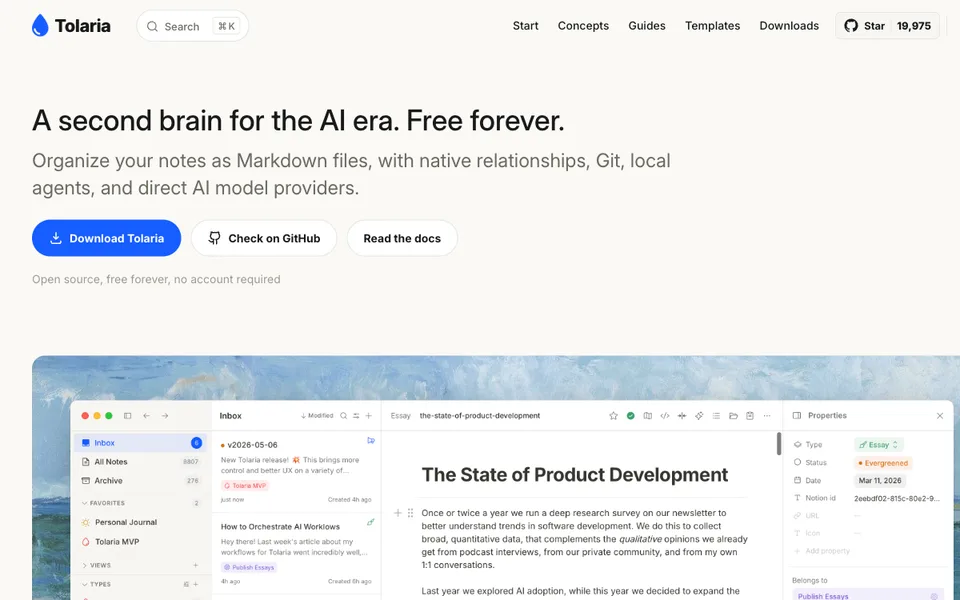

Manage Git-backed Markdown knowledge bases prepared for AI editing tools.
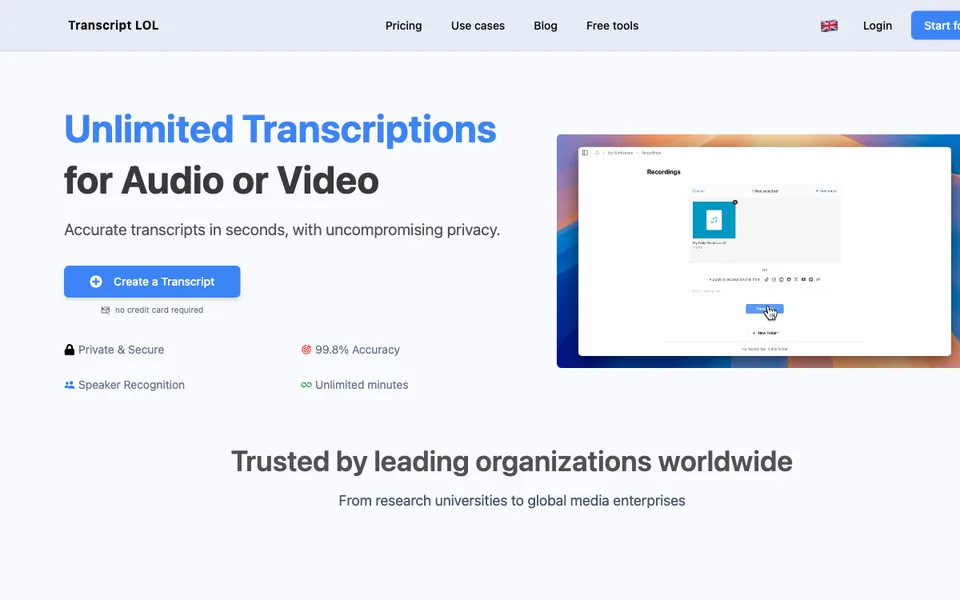

Transcribe audio or video, edit speaker labels and export text or subtitle files.
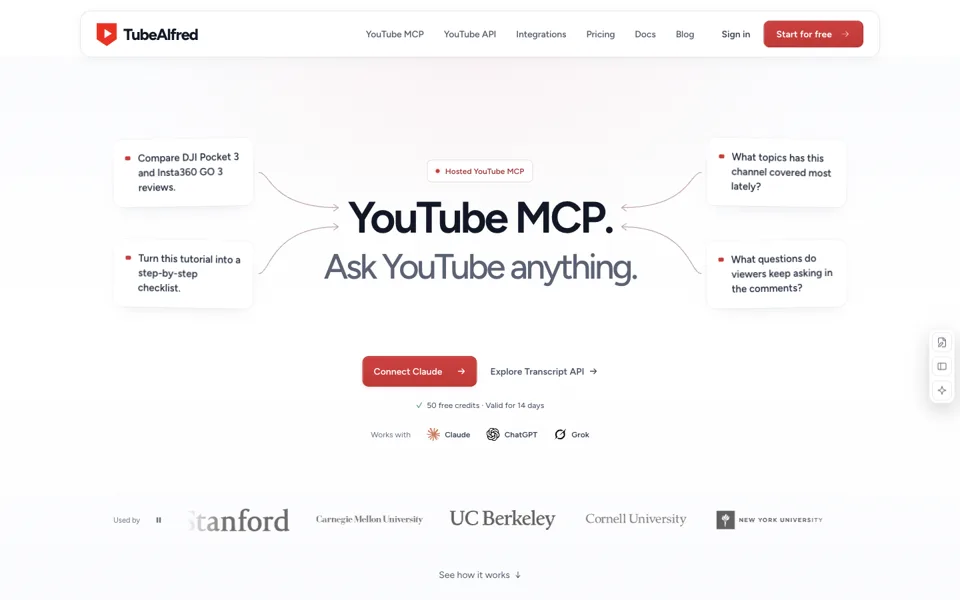

Retrieve public YouTube data and available transcripts through a hosted MCP server or REST API.
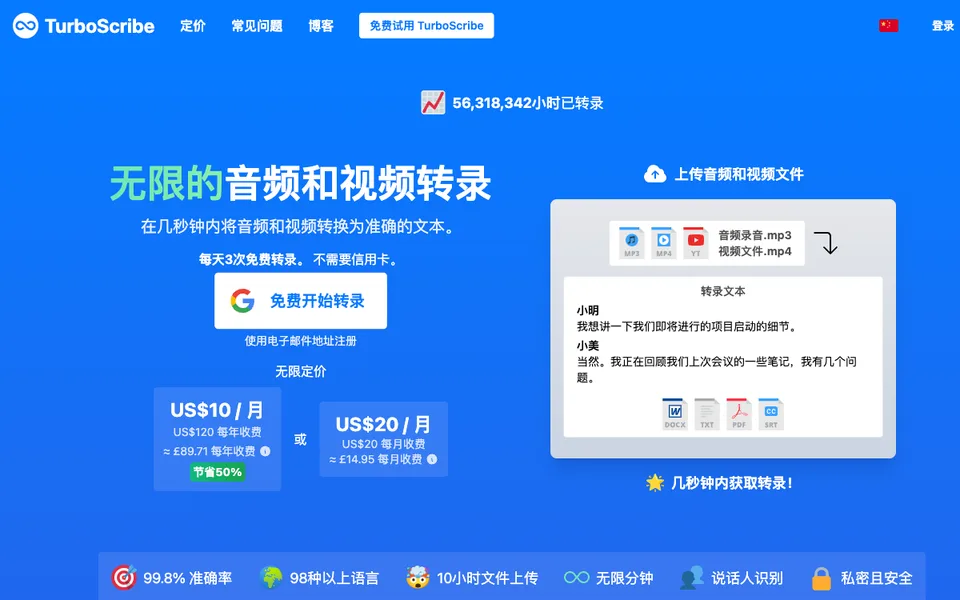

Compare TurboScribe for prerecorded interviews and lectures, with file-length limits and annual billing separated from live meeting assistance.
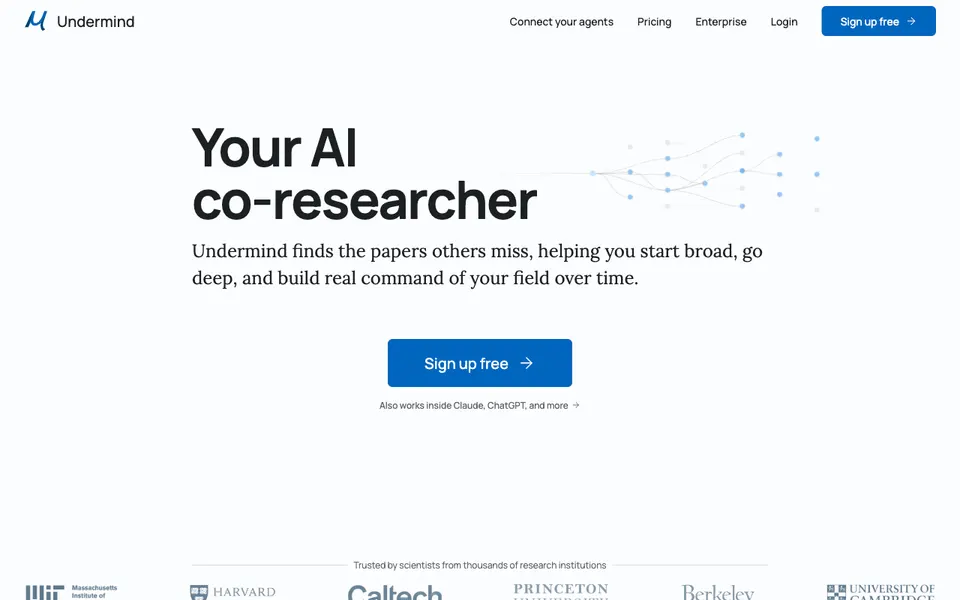

AI co-researcher that finds papers others miss.
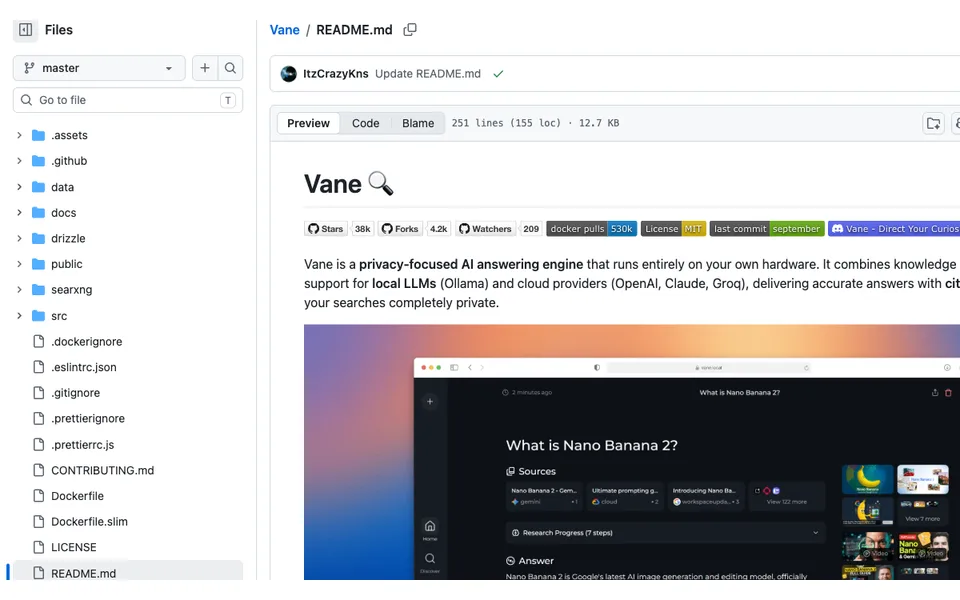

Run an AI answer engine with web citations, configurable models and locally stored search history.
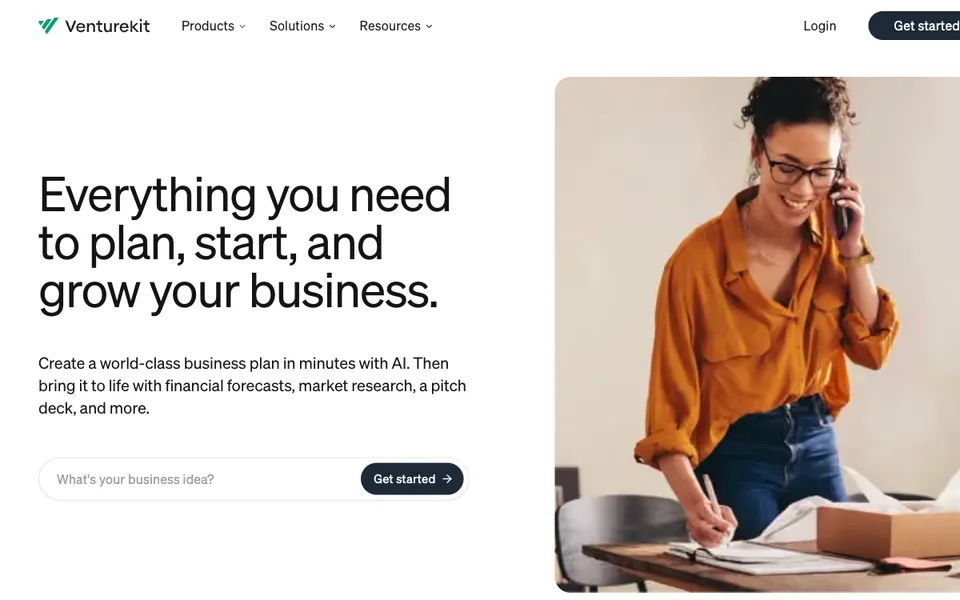

Compare Venturekit’s business-plan unlock credits with a free preview and keep company-formation fees separate from planning software.
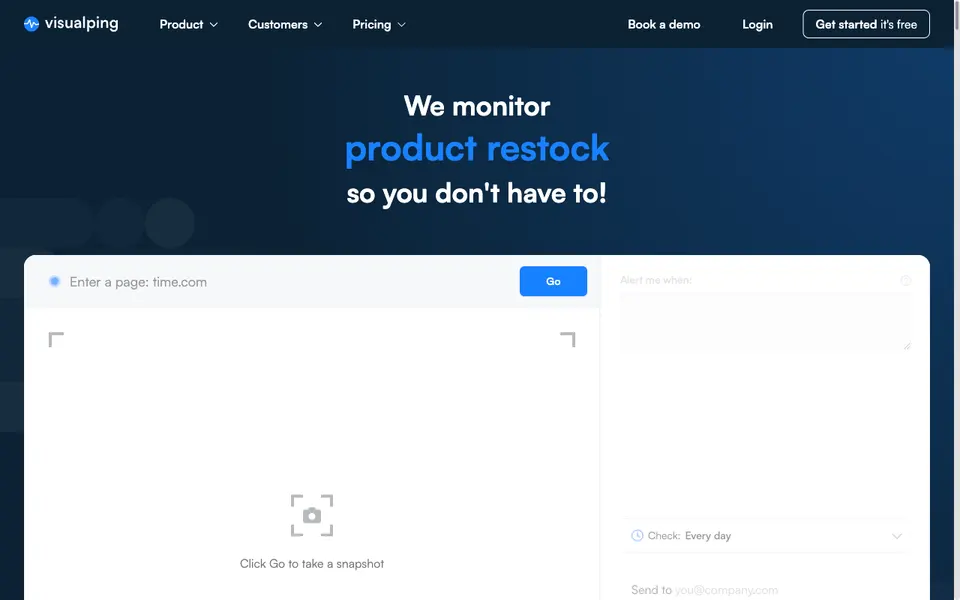

Visual, text, and element website change monitoring with AI summaries.
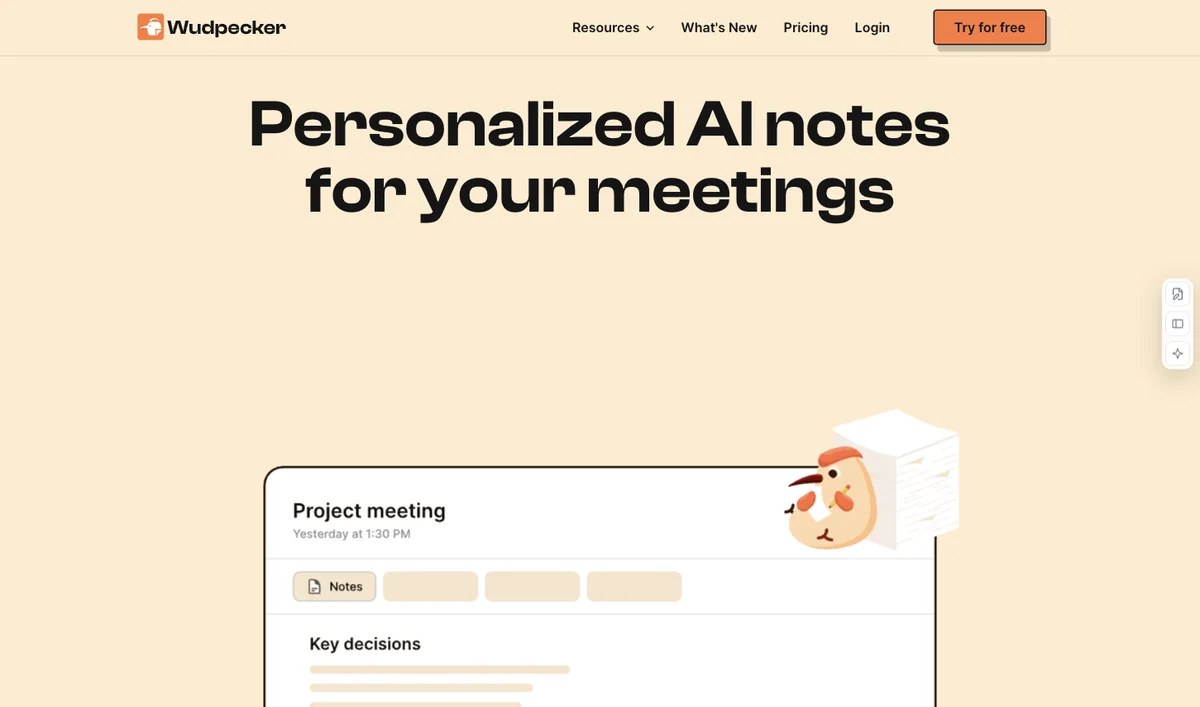

Compare Wudpecker by capture method because unlimited app recording does not remove the bot-meeting allowance.
Try another filter. Use the heart on a product to save it to your account.
Tell us what you need →Start with scholarly papers, the open web or documents you already have. The source set determines what a tool can help you investigate.
Explore literature and citation evidence for a focused research question. Check source coverage before relying on a synthesized answer.
Before choosing Read key papers and distinguish the authors’ findings from the tool’s interpretation.
Investigate a topic across web sources and follow-up questions. Define a date range, region and deliverable first.
OpenAI Deep ResearchReady to use · Free accessGoogle Gemini Deep ResearchReady to use · Pricing not verifiedPerplexityReady to use · Free accessBefore choosing Open important citations and check that the linked source supports the claim.
Start from a defined set of documents or linked sources. Check which materials are included and what the output cites.
Before choosing Check loaded sources, output formats and plan limits before sharing the result.
68 listed products, by how you can start
Free access can still involve paid model usage, hosting or connected services. Check each product's pricing notes.
Explore a question, collect evidence and build a research brief you can check.
Compare 9 candidates →Track a page over time and receive alerts when meaningful information changes.
Compare 3 candidates →Literature tools help when scholarly evidence matters. Web research tools explore broader questions. A document workspace is useful when you already have the source material. These are different research jobs, not interchangeable guarantees.
Define a time period, region and deliverable. Open important sources and distinguish a supported claim from the agent’s interpretation. A linked citation alone does not establish that the conclusion follows from it.
Explore a question, collect evidence and build a research brief you can check.
A focused question and any sources you already trust
A structured brief with references
Open the citations, check dates and verify the key claims.
For academic work, choose a literature-focused product. For a broad market question, look for web research with source links.
Agentic multi-step web research in ChatGPT that returns a cited report.
Why it fits OpenAI describes deep research as an agentic capability that conducts multi-step internet research and returns a fully cited report.
PrepareA research question or prompt
GetA cited research report in the chat
ReviewSelect deep research in the ChatGPT composer and enter the query
Gemini's agentic feature that builds a research plan and writes a cited report.
Why it fits Google states Deep Research creates a multi-step plan, browses the web, and generates a report with links to original sources.
PrepareA research question
GetA comprehensive report with key findings and source links
ReviewEnter the question in Gemini
AI research agent and search over scientific literature.
Why it fits Elicit states it searches 138M+ academic papers and 545k clinical trials and generates fully cited reports and evidence tables.
PrepareA research question
GetCited research reports
ReviewType a research question
AI co-researcher that finds papers others miss.
Why it fits Undermind states it reads and evaluates hundreds of papers, follows citation trails, and watches for new papers.
PrepareA description of the research goal
GetRanked, relevant papers
ReviewDescribe what you are working on

Autonomous general AI agent that plans and delivers complete work products.
Why it fits Manus documentation describes an autonomous general agent with its own sandbox computer that plans, executes, and delivers complete work products.
PrepareA task prompt
GetCompleted work products such as reports, slides, websites, and designs
ReviewDescribe the task
Source-grounded notebook assistant for research and synthesis.
Why it fits Google's help center lists creating notebooks, adding sources, and generating reports, mind maps, audio/video overviews, flashcards, and slide decks.
PrepareUploaded or linked sources such as docs, PDFs, slides, and URLs
GetGrounded summaries and answers
ReviewCreate a notebook

All-in-one AI workspace with super agents for research and content.
Why it fits Genspark offers research assistance inside its AI workspace; use a specific question and verify the cited materials before relying on the output.
PrepareA prompt or task
GetResearch summaries and reports
ReviewEnter the task
AI research assistant grounded in scientific literature and citation context.
Why it fits Scite says its assistant answers questions grounded in literature and its Smart Citations show whether findings were supported or contradicted.
PrepareA research question or search terms
GetAnswers grounded in full-text literature
ReviewSearch or ask a question
Research a question and follow the links behind the answer.
Why it fits Advanced search combines several web searches into a sourced answer that can be refined with follow-up questions.
PrepareA focused research question
GetA synthesized answer with source links
ReviewRead the underlying sources and check key claims

A computer-use agent for recurring work across desktop apps and websites.
Why it fits Sai describes GUI actions, scheduled runs, cloud or device environments and approval-based control.
PrepareA recurring screen-based task and the accounts or files it needs
GetCompleted app actions, follow-up drafts or recurring reports
ReviewWatch the run, approve important steps and verify the output

An open-source agent with memory, tools, subagents and scheduled work.
Why it fits Hermes documents memory, skill generation, isolated subagents, web tools and gateway scheduling.
PrepareA task, a model connection and configured tools or messaging channels
GetResearch, browser actions and scheduled reports
ReviewReview tool access, inspect outputs and maintain the running environment

Build agent workflows with connected tools, logic and human approvals.
Why it fits n8n documents AI Agent tools, human approval nodes, research/RAG templates and MCP-enabled workflows.
PrepareA workflow, configured model credentials and connected application data
GetTool actions, research reports and grounded support answers
ReviewConfigure approvals, inspect execution logs and review generated outputs
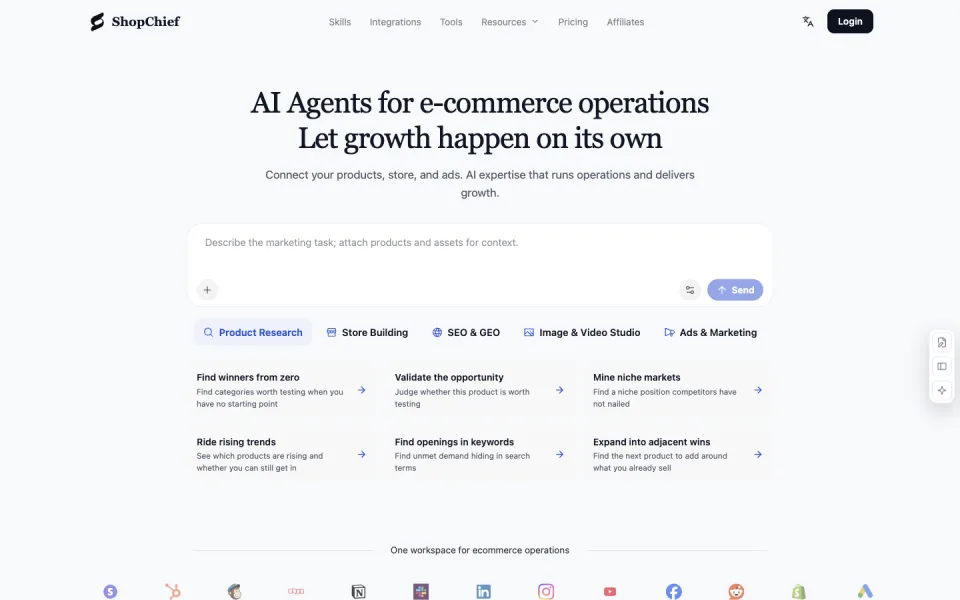

Commerce agents for product research, content and approved store actions.
Why it fits ShopChief documents commerce skills, scheduled workflows and approved connector actions; its setup guide explains permissions.
PrepareProduct context, a commerce task and authorized store or ad data
GetResearch briefs, listing drafts, creative assets and supported store changes
ReviewVerify product facts, review proposed changes and authorize store actions
Organize source material for contextual chat, search and podcast drafting.
Why it fits Task links are limited to the documented workflow. Infrastructure and model components are not treated as ready-made end-user agents.
PrepareAuthorized documents, audio or web sources and a model connection
GetSource-grounded conversations, search results and podcast outputs
ReviewOpen the original sources and verify answers and podcast scripts before sharing.
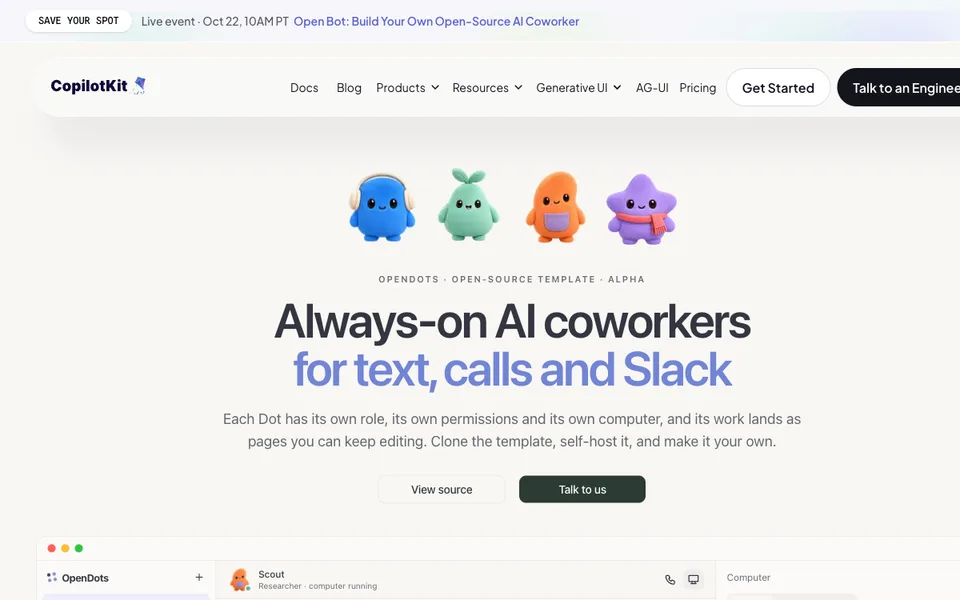

Build persistent AI coworkers with document Spaces and configured research tools.
Why it fits Task links are limited to the documented workflow. Infrastructure and model components are not treated as ready-made end-user agents.
PrepareSpecialist roles, source material and configured conversation services
GetEditable pages, source-linked research results and agent conversations
ReviewDistinguish fictional sample research from live results and verify every cited source.
Retrieve public YouTube data and available transcripts through a hosted MCP server or REST API.
Why it fits Retrieve public YouTube data and available transcripts through a hosted MCP server or REST API.
PreparePublic YouTube video URLs or a topic and a compatible assistant or API client
GetAvailable transcripts, video metadata and public-data lookup results
ReviewCompare transcript passages with the original video before using a conclusion.