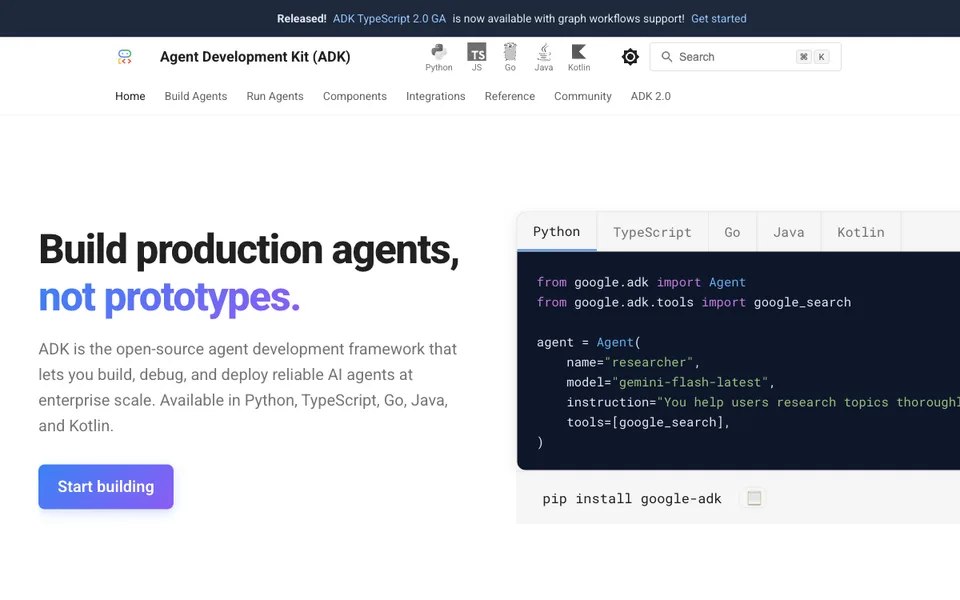

Agent Development Kit (ADK)
Compose Python agents with tools, delegation and a workflow runtime.
Run models and build AI systems with frameworks, runtimes and developer components.

Browse alphabetically. Open a product to see its sources and limits.
Compose Python agents with tools, delegation and a workflow runtime.
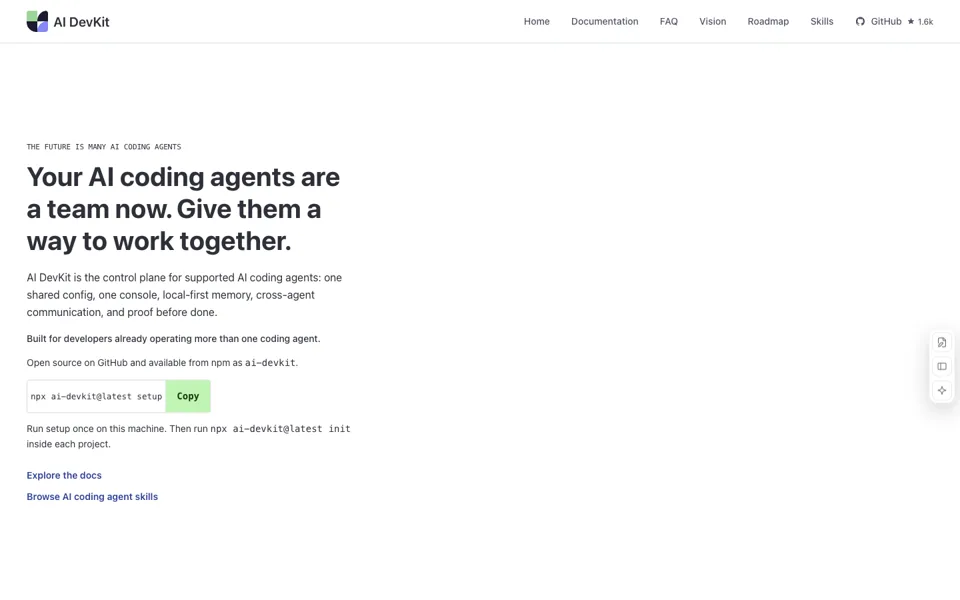

Coordinate supported coding agents with shared configuration, a local console and searchable memory.
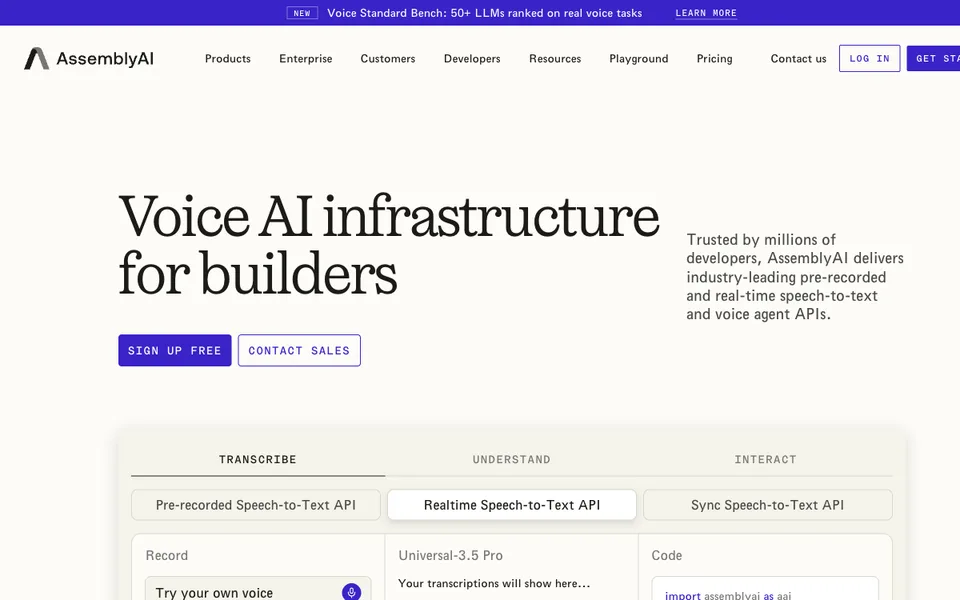

Transcribe recordings while adding only the speaker and understanding features the workflow actually needs.
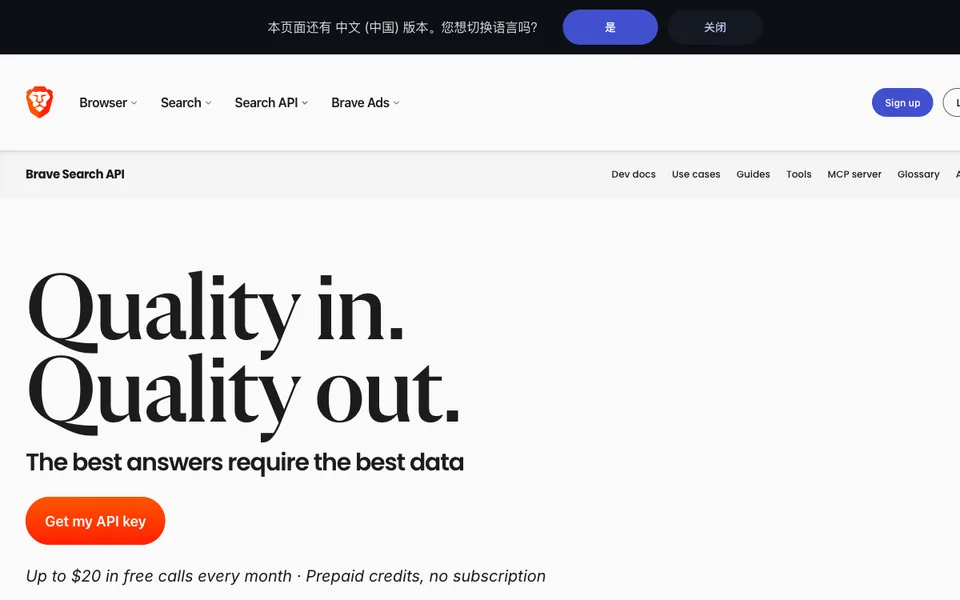

Retrieve web results for an AI application while separating search charges from answer-generation tokens.


Let a coding agent operate an authorized browser through CDP.
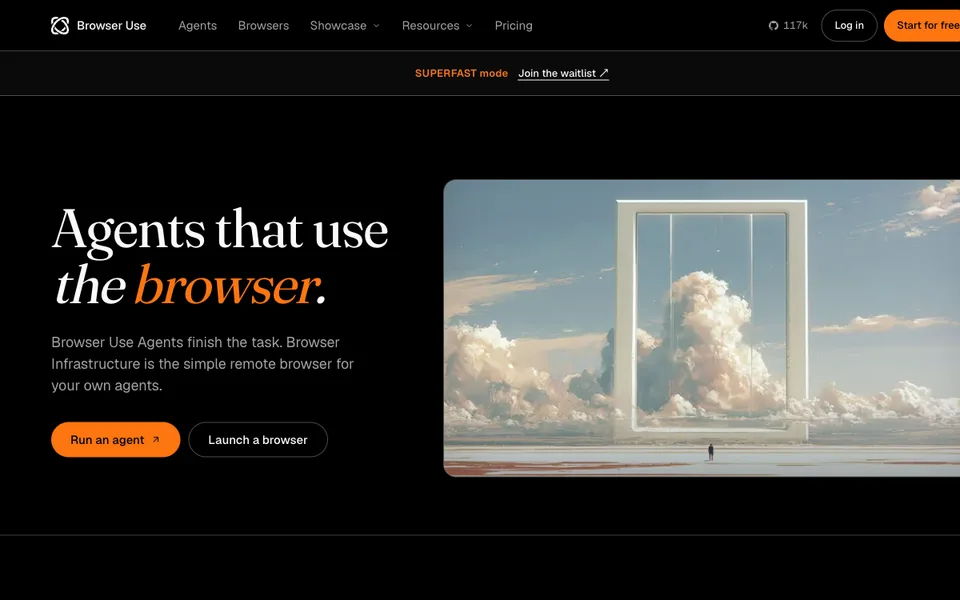

Run model-directed browser tasks from a Python library or CLI.


Budget voice generation and managed calls using their separate balances and telephony charges.
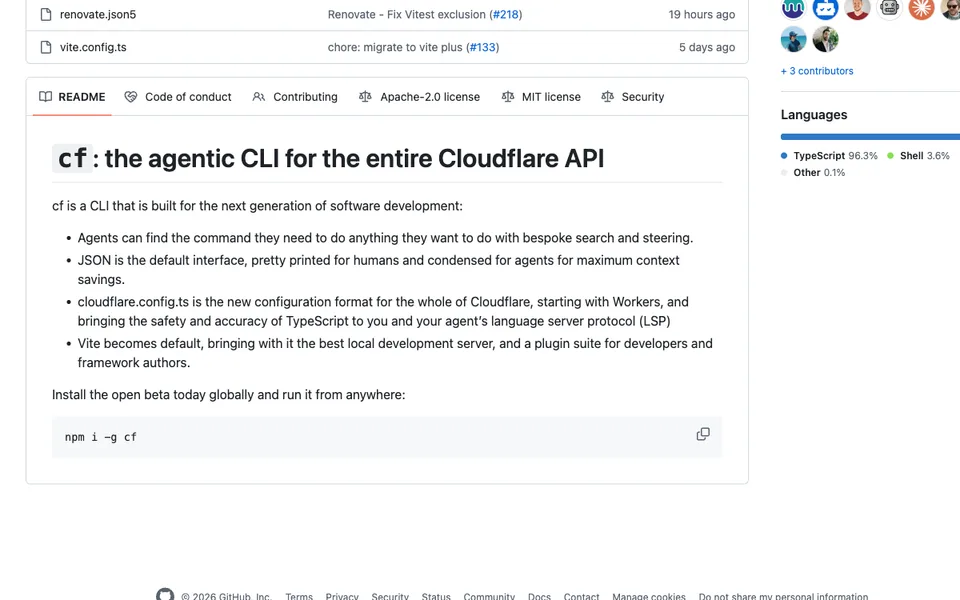

Expose Cloudflare API operations as an agent-friendly CLI with JSON output.
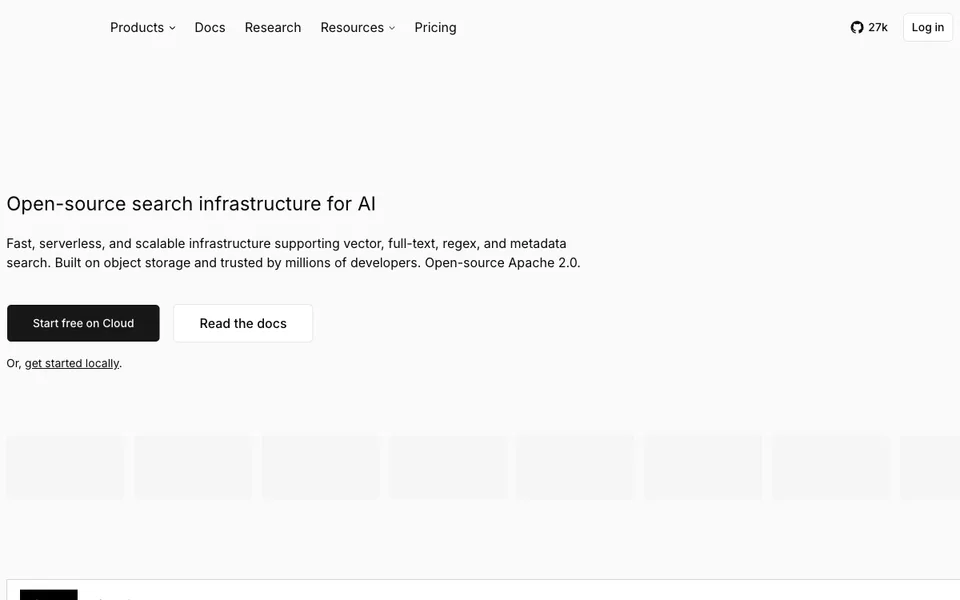

Store document embeddings and query matching records for AI applications.
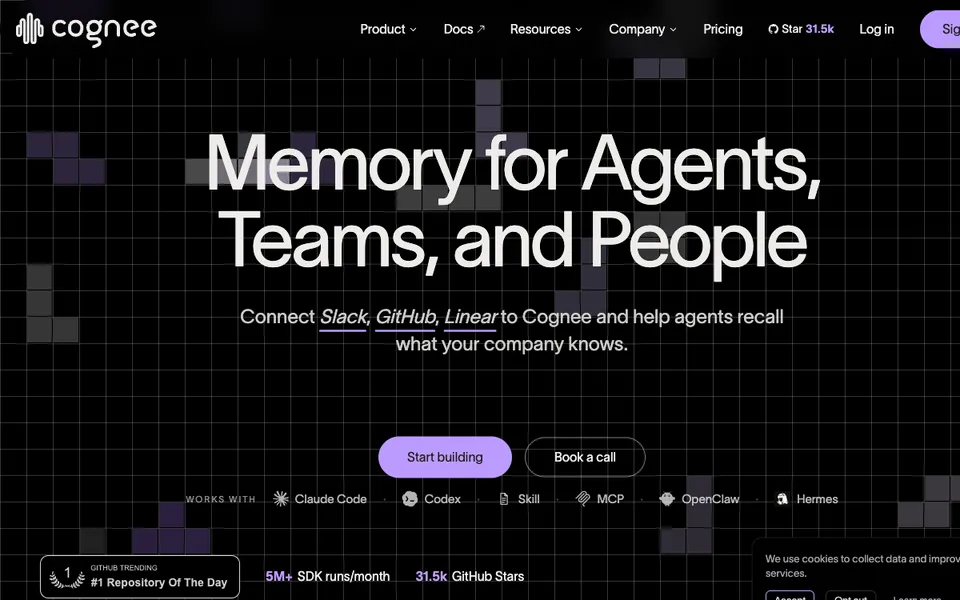

Build queryable graph memory from documents and agent context.
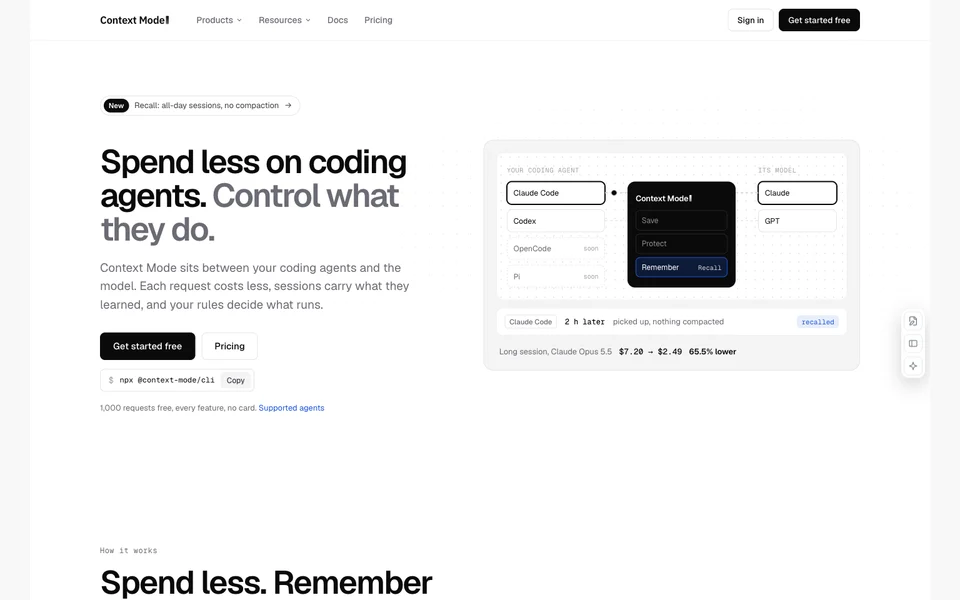
Index tool output and retrieve relevant snippets through a local MCP context workflow.
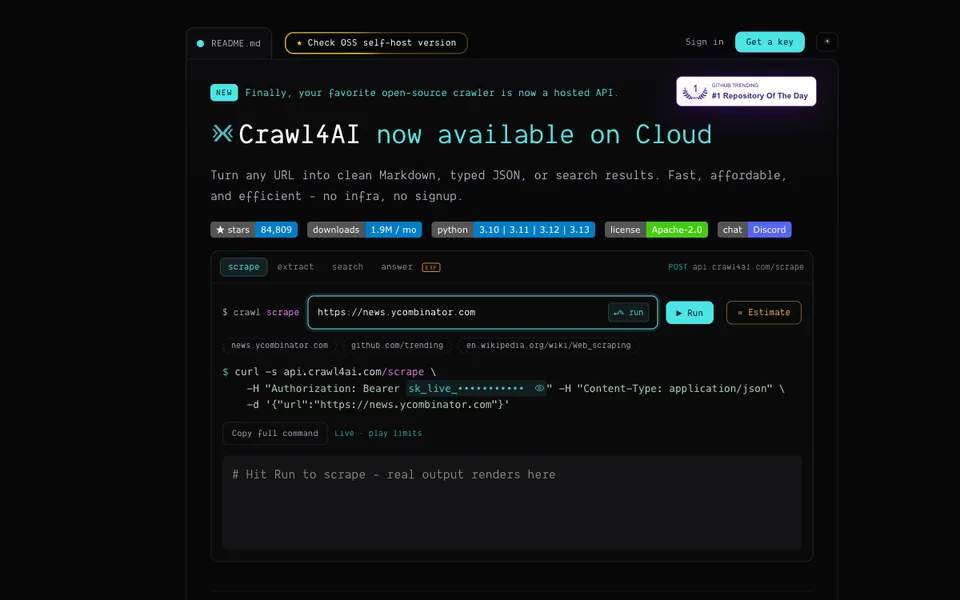

Turn permitted web pages into Markdown for retrieval and AI pipelines.
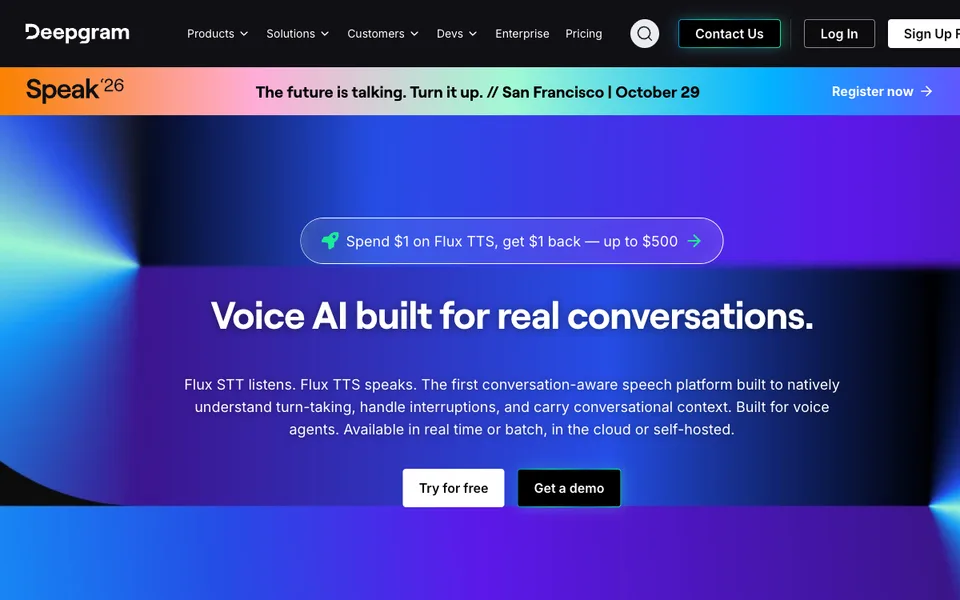

Plan a speech pipeline with distinct recorded-audio, live-stream and voice-agent budgets.

Choose model and scheduling tier together rather than treating the lowest token rate as a production guarantee.

Run a plugin-based agent harness with a local web interface.
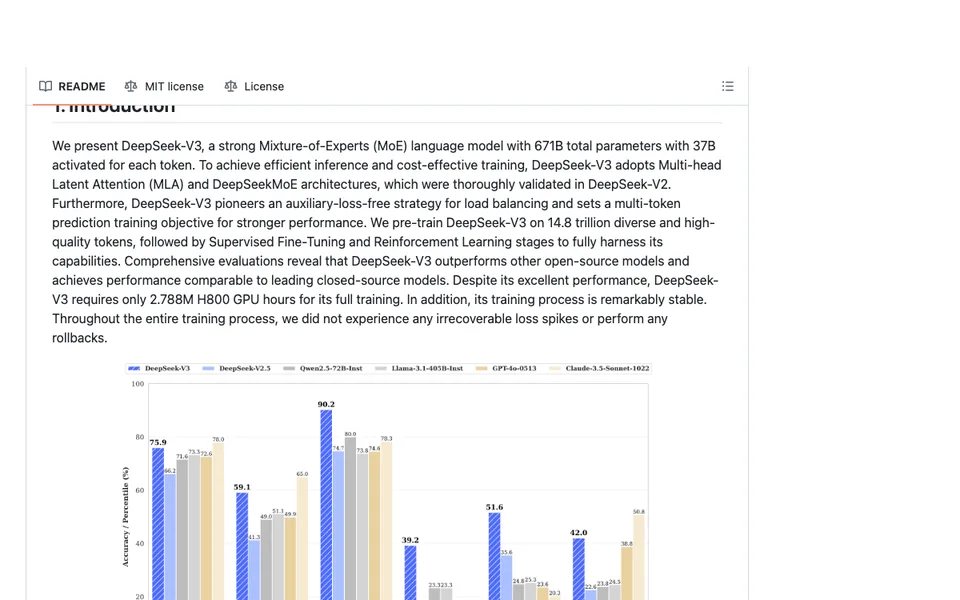

Run DeepSeek's mixture-of-experts language model through a compatible inference stack.

Choose search depth and result counts before letting an agent expand its web research budget.

Integrate media models with a budget that accounts for resolution and the exact billing unit.

Extract graph context from unstructured text for LLM question answering.

Choose production model APIs with separate token and speech-hour accounting.

Run agent benchmarks in controlled environments and collect evaluation runs.

Expose multiple coding harnesses through one session and task API.

Route model requests and inspect LLM traces, latency and recorded costs.

Share and deploy machine-learning projects without treating a paid Hub account as an all-inclusive inference plan.


Generate a 3D mesh and texture through the Hunyuan3D-2 pipeline.

Compose model calls, tools and retrieval components into AI applications.

Trace, evaluate and version prompts for an instrumented AI application.

Run a headless browser with native agent mode and replayable scripts.

Run supported language-model weights locally with a C++ inference runtime.

Select models for installed coding agents and route them through a local gateway.

Extract and retrieve persistent context for model-connected assistants.

A hosted memory API that extracts durable facts and retrieves relevant context for AI applications.

Provide reference MCP servers that expose tools and resources to compatible clients.

Budget application speech synthesis by characters and separately priced API endpoints.

Hosted inference for open-source AI models through managed endpoints.

Download supported models and serve local chat or model API responses.

Add web search, scraping, crawling and structured extraction to an application through an API.

Define tool-using agents with handoffs, sessions, guardrails and tracing in Python.

Route across model providers with explicit handling of platform fees, free limits and data-policy choices.
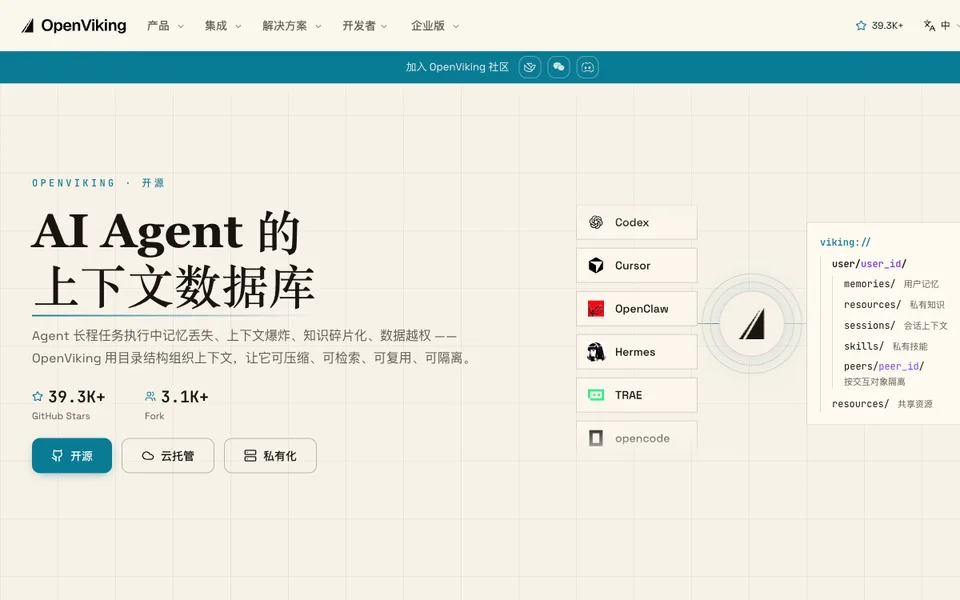

Organize agent knowledge, memory and skills in an inspectable virtual filesystem.
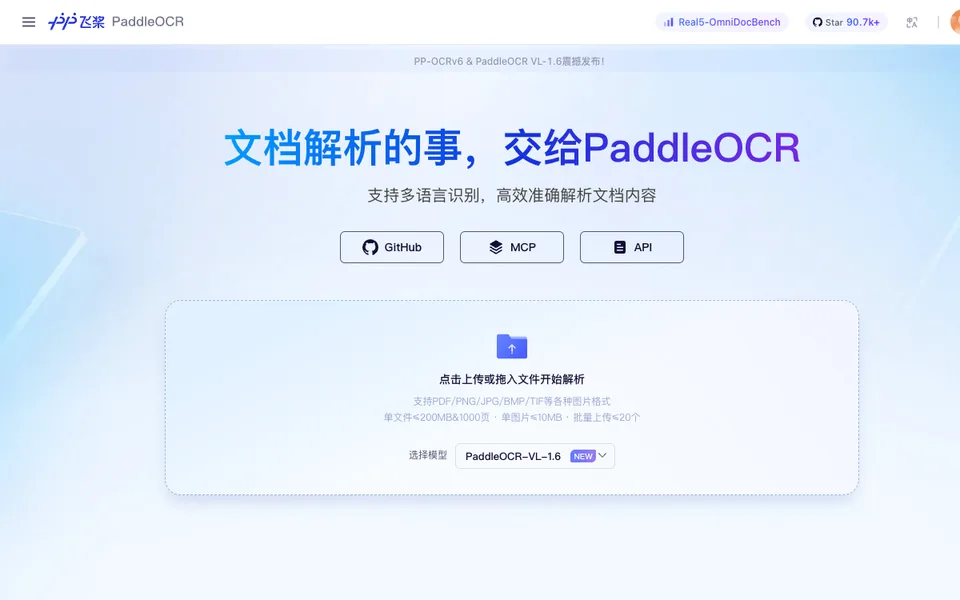

Extract recognized text and document structure from images and PDFs.

Real-time speech translation, transcription and speech synthesis through tools and an API.
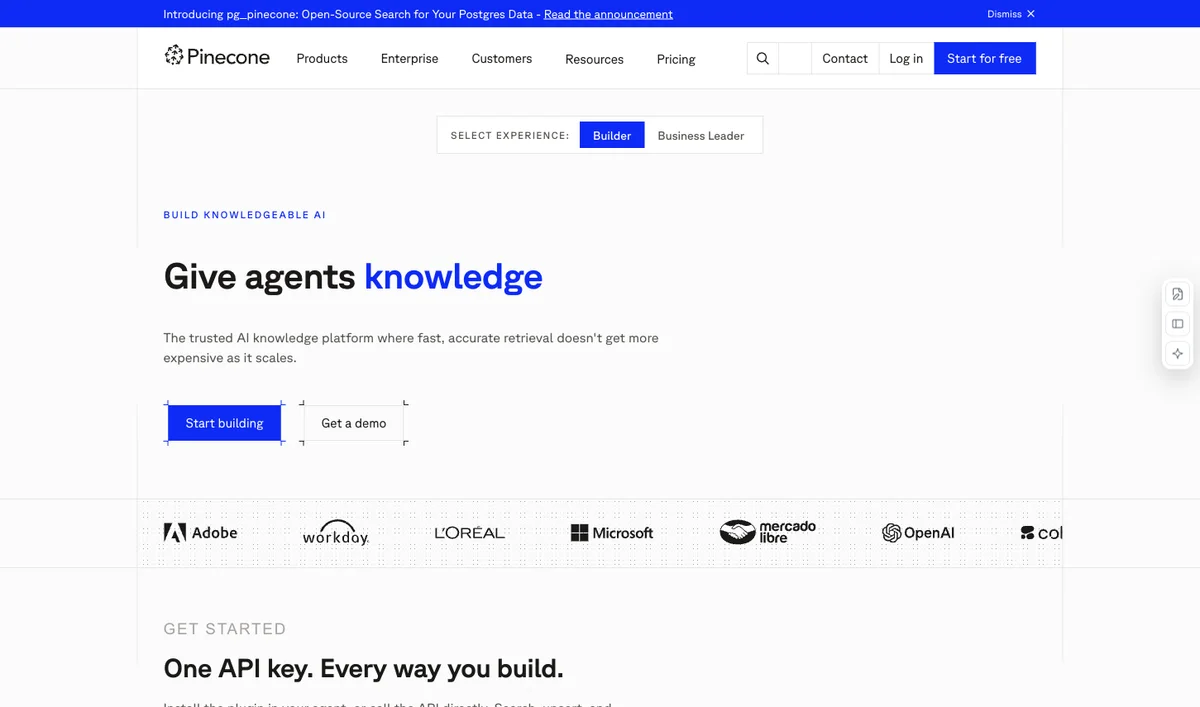

Separate Pinecone database costs from embedding and answer-generation costs before estimating a RAG application.
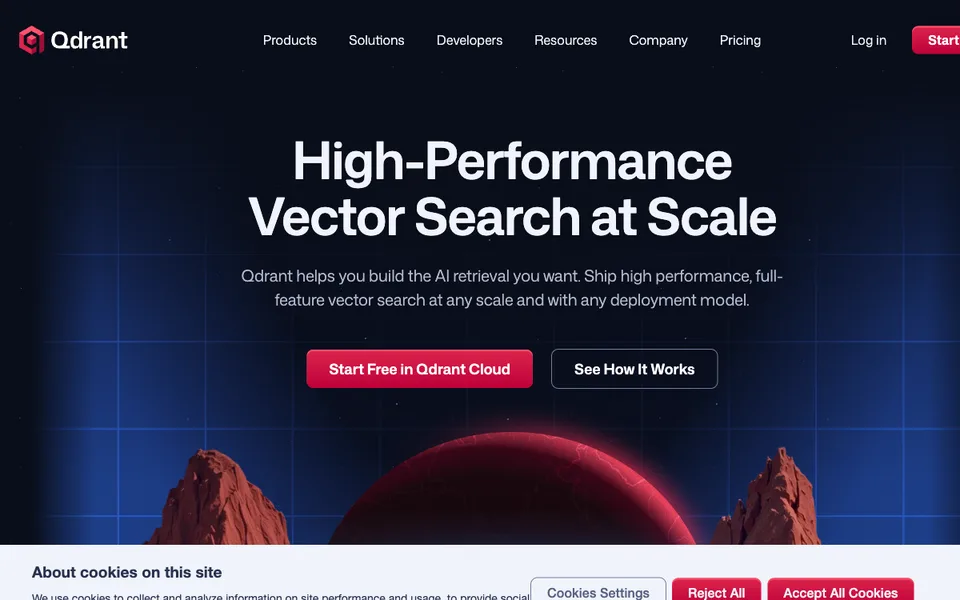

Store vectors with payloads and query them through a filtered similarity-search API.
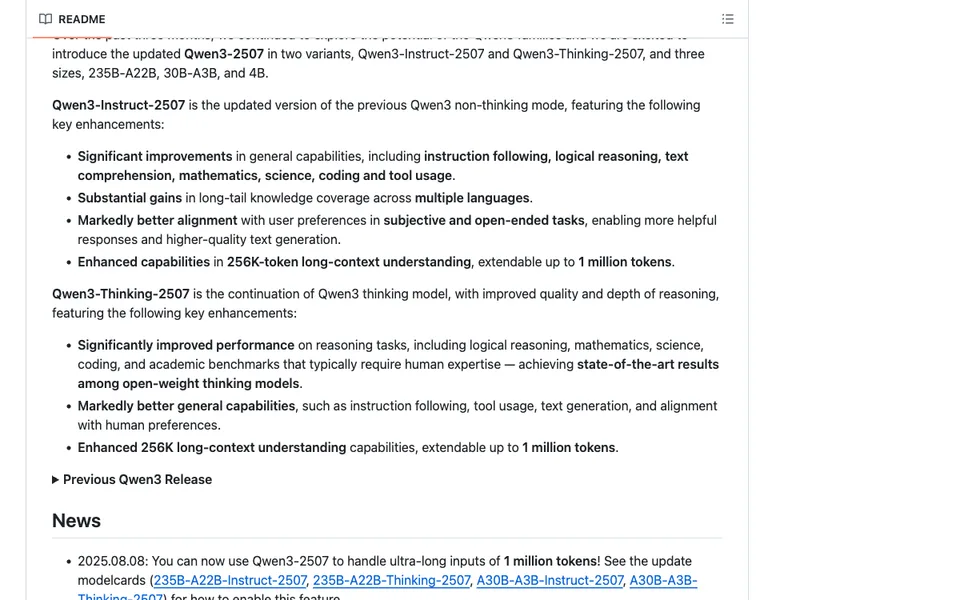

Deploy Qwen3 language-model checkpoints for text generation and reasoning.
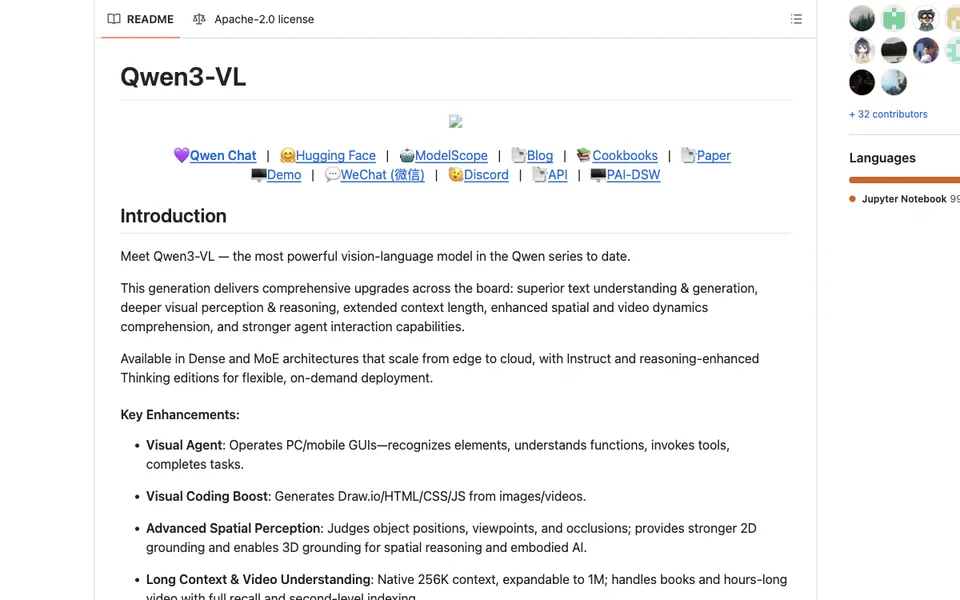

Process text, images and video through Qwen's vision-language checkpoints.
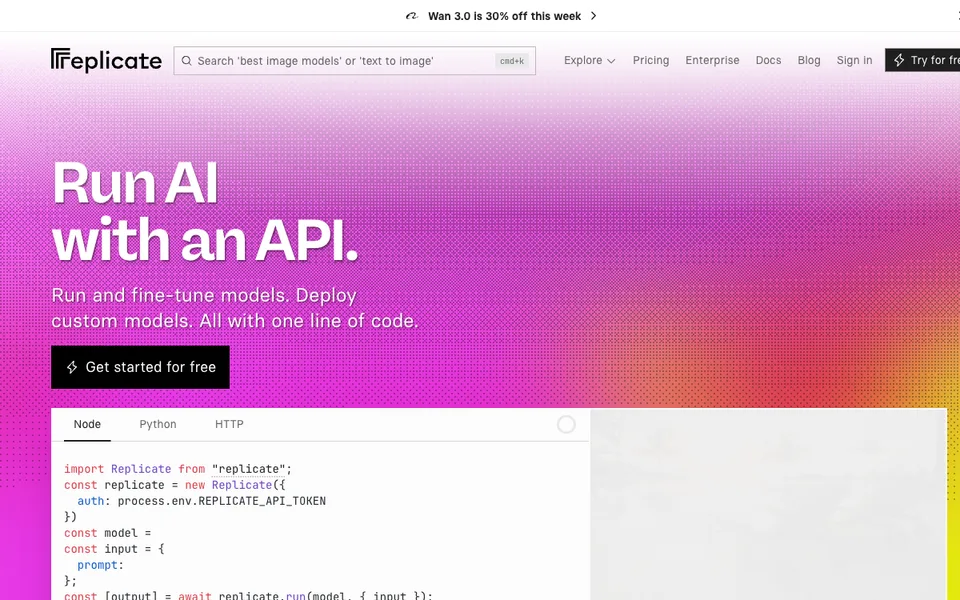

Run hosted models while checking whether the selected deployment bills only requests or also idle hardware.
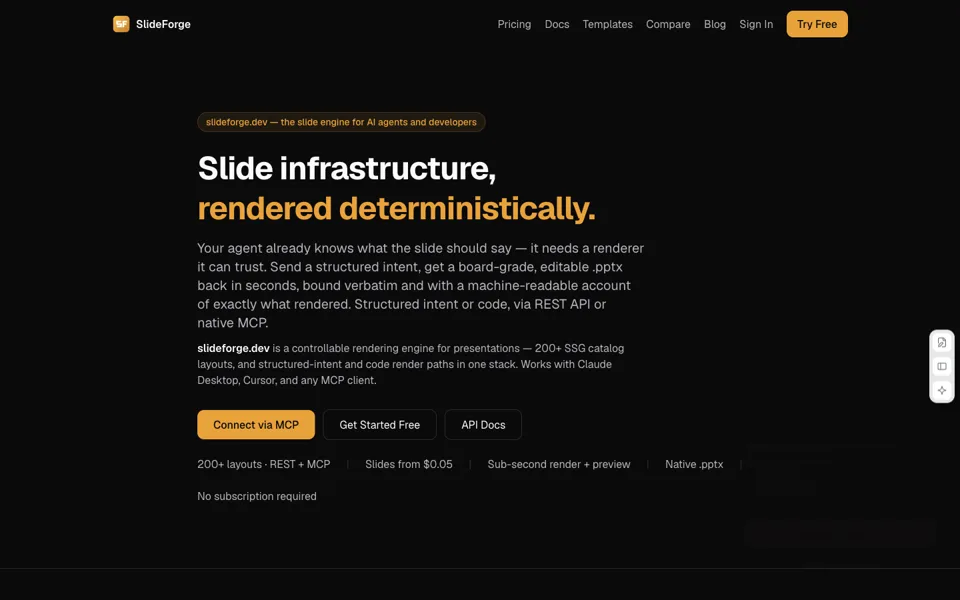

Render structured slide content or python-pptx code into editable PowerPoint files through REST or MCP.
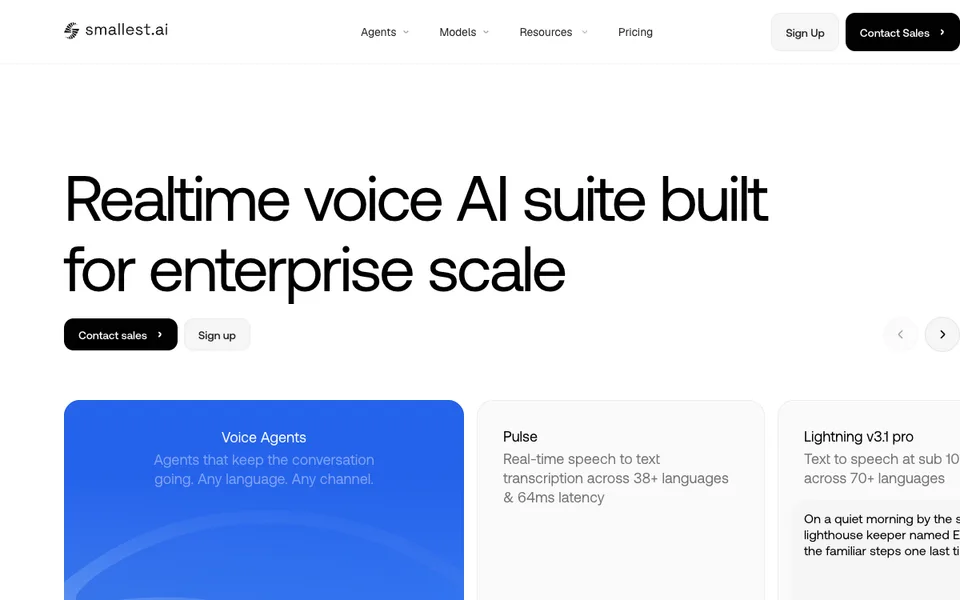

A voice AI platform offering speech recognition, speech synthesis and voice-agent tooling.
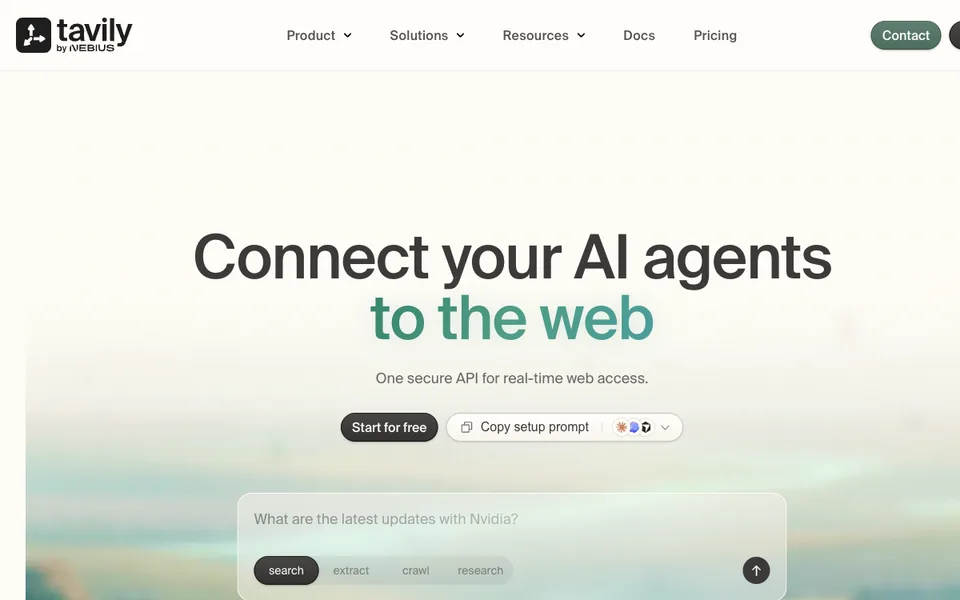

Add web evidence to an agent while budgeting credits per operation instead of assuming one credit per search.

Use a direct inference host while deciding when variable token usage justifies reserved capacity.
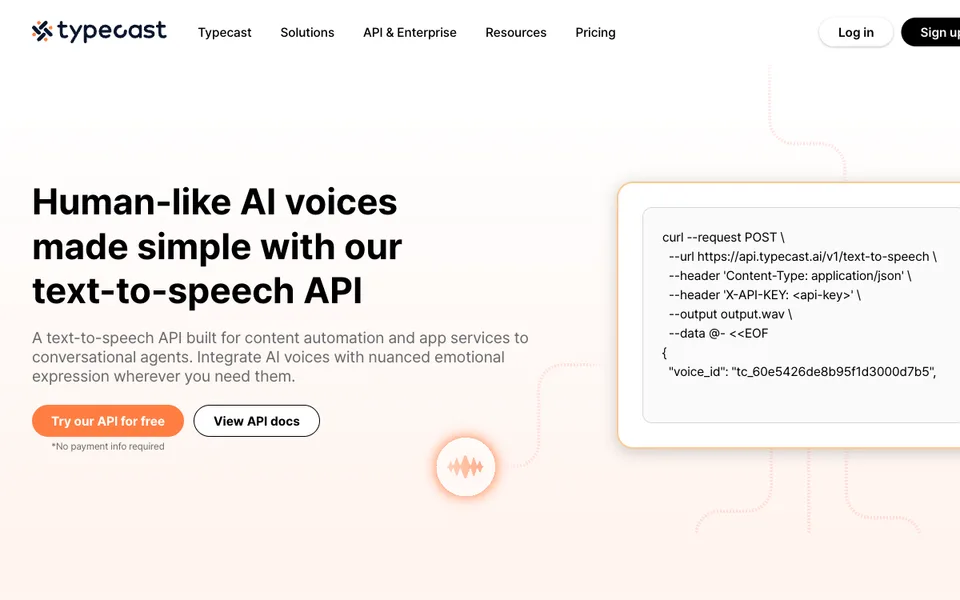

A text-to-speech API with voice selection, emotional control and streaming output.
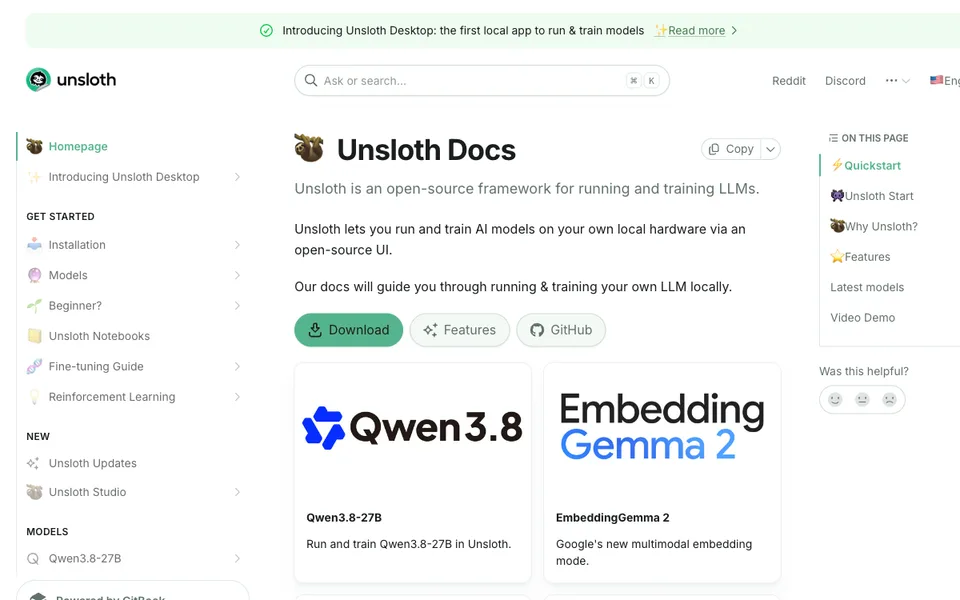

Run and fine-tune supported models with local desktop and training tooling.
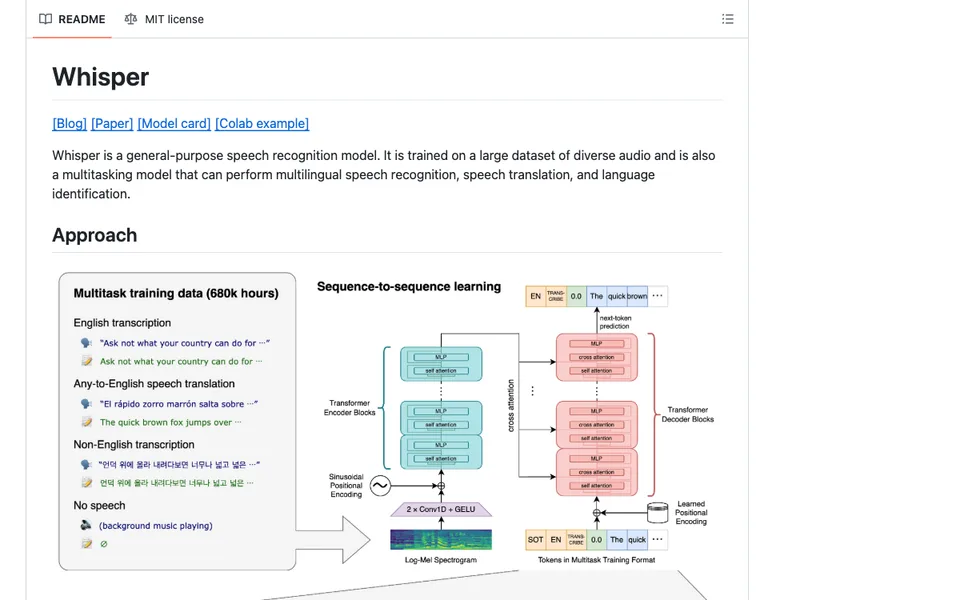

Transcribe audio and perform supported speech translation locally.

Build a local speech-recognition CLI or application integration with explicit audio-format and memory requirements.

Ground an agent in live web sources while choosing explicitly between retrieval and a generated answer.
Try another filter. Use the heart on a product to save it to your account.
Tell us what you need →56 listed products, by how you can start
Free access can still involve paid model usage, hosting or connected services. Check each product's pricing notes.
Frameworks and model weights need integration, configuration or compute. Check the required runtime and supported models before treating a repository as a ready-to-use assistant.
Check the project license, model license and dependencies separately. A free client or repository does not guarantee free inference, commercial permission or managed hosting.